
Gymnocalycium anisitsii
Gymnocalycium anisitsii
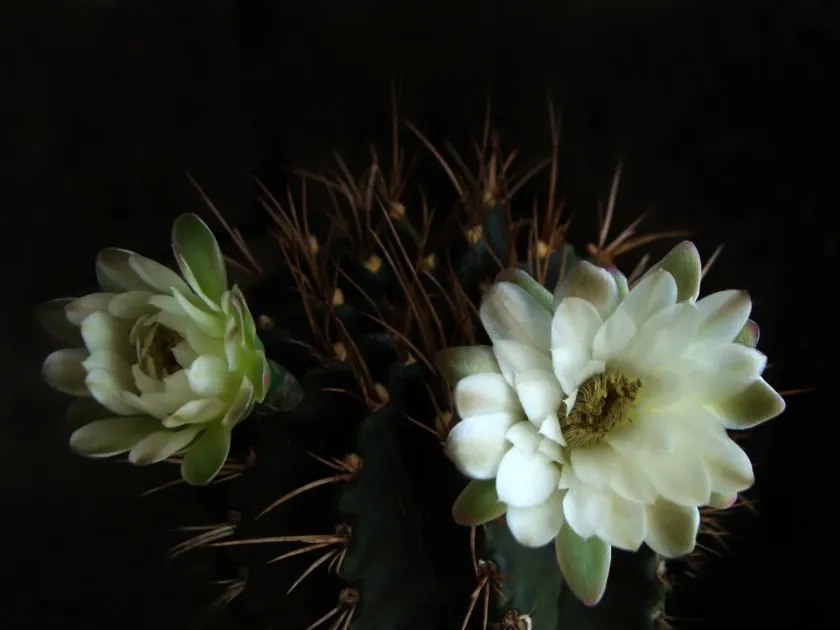
Description
Growing requirements
Gymnocalycium anisitsii belongs to the Cactaceae family and is a distinctive succulent native to South America. It is naturally distributed across the regions of Paraguay, Brazil, and Bolivia, growing primarily in semi-arid and open environments.
The culture requires a well-draining, mineral-rich substrate to thrive. A standard potting mix for this species should include sharp sand, gravel, and a small portion of peat to ensure the root system is never exposed to stagnant water.
Optimal growth conditions involve bright, indirect sunlight. While the plant can tolerate some morning sun, intense midday rays are detrimental and can cause permanent scarring on the plant body, reducing its ornamental value.
Temperature management is essential for the annual cycle. During the growing season, temperatures between 20°C and 25°C are ideal. In winter, the plant enters a dormant phase, requiring cooler temperatures to encourage flowering in the next season.
Watering practices must be disciplined. The "soak and dry" method is recommended, where the soil is allowed to dry out completely before the next irrigation. During the winter dormancy, water should be withheld to prevent rot.
Main diseases and pests
The primary threat to Gymnocalycium anisitsii is fungal root rot, typically caused by overwatering or poor drainage. Infected plants often show discoloration at the base of the stem, requiring immediate intervention and repotting.
Spider mites are common pests that thrive in dry environments. They cause stippling and discoloration on the cactus surface. Regular inspection and maintaining appropriate airflow can help mitigate the risk of infestation.
Mealybugs are another persistent pest that hides in the crevices between the cactus ribs. If detected, these can be managed using specialized systemic insecticides or localized applications of rubbing alcohol on the affected areas.
Scale insects may attach themselves to the ribs, feeding on plant sap. These pests are best controlled by manual removal followed by the application of horticultural oils or systematic pesticides to ensure all life stages are eradicated.
General plant health is maintained by practicing strict hygiene in the cultivation area. Using sterilized tools and ensuring that the cactus is not overcrowded with other plants will significantly reduce the risk of secondary infections.