
Gymnocalycium mihanovichii
Gymnocalycium mihanovichii Br. & R
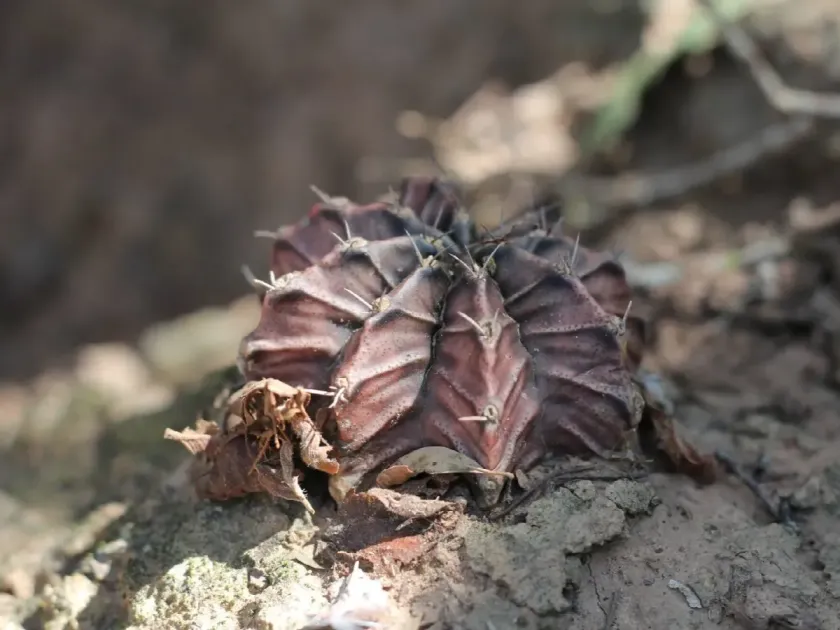
Description
Sowing dates
Propagation of Gymnocalycium mihanovichii is primarily achieved through seeds, which is the most effective method for maintaining healthy populations of this cactus species.
Spring is the recommended time for sowing, as the increasing natural light levels provide the necessary stimulus for successful germination and early growth of the seedlings.
The substrate for sowing should be well-drained, sterile, and lightly textured to allow the delicate root systems of the young cacti to develop without obstruction.
Seeds should be surface-sown on moist soil, kept in a warm environment, and covered to maintain high humidity until the initial germination phase is fully complete.
Careful monitoring is required to prevent fungal outbreaks during the seedling stage, which can be managed by maintaining proper ventilation after germination.
Growing requirements
Gymnocalycium mihanovichii is a member of the Cactaceae family, natively distributed across the tropical regions of South America, specifically in Paraguay and Argentina.
The plant thrives in bright, filtered light and should be protected from harsh, direct sunlight, which can easily damage its unique, often multi-colored epidermis.
Cultivation requires a slightly acidic, porous soil mix that ensures rapid water drainage, as the species is highly susceptible to rot if left in saturated conditions.
During the active growing season, regular but moderate watering is necessary, allowing the soil to dry out completely between applications to maintain root health.
Temperature management is critical, with an ideal growing range between 20 and 28 degrees Celsius, while a cooler dormant period is essential during the winter months.
Main diseases and pests
The most significant threat to this culture is root rot, typically caused by excessive irrigation or poor drainage systems during periods of lower light and activity.
Spider mites are common pests that thrive in dry indoor environments, often causing cosmetic damage and weakening the plant's overall vitality over time.
Mealybugs may also infest the plant, hiding within the ribs and near the root collar, requiring immediate manual removal or treatment with appropriate systemic insecticides.
A comprehensive integrated pest management approach, focusing on preventive hygiene and regular physical inspections, is the best way to ensure long-term plant health.
- Ensure adequate light exposure
- Prevent water stagnation in the soil
- Perform routine inspections for pests
- Use sterile substrates for repotting