
Gymnocalycium neocumingii
Gymnocalycium neocumingii (Backeb.) P. Hutchison
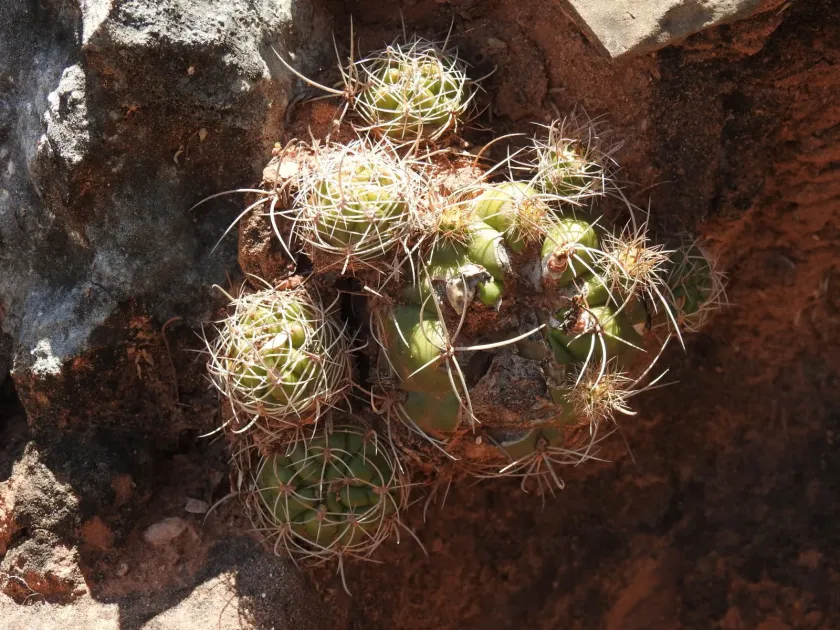
Description
Growing requirements
Gymnocalycium neocumingii is a distinguished member of the Cactaceae family, native to the high-altitude landscapes of Bolivia and Argentina. This species is highly valued in horticulture for its distinct structural form, which reflects its adaptation to harsh, rocky, and high-UV environments.
Botanically, this succulent is characterized by a globular body with prominent, tubercled ribs. The spines are typically robust and contribute to the plant's structural defense, making it a visually striking specimen for specialized cactus collections and botanical displays.
Successful cultivation requires a highly porous, gritty substrate that mimics the plant's native rocky habitat. A mixture consisting of mineral components, such as pumice, perlite, and coarse sand, combined with a small portion of loam, is recommended to ensure rapid drainage.
The plant thrives under bright, filtered light. While it tolerates morning sun, intense midday exposure can lead to tissue bleaching or epidermal scarring. Consistent but careful light management is essential to maintain the natural color and compact shape of the specimen.
Watering practices are critical for the longevity of this species. During the growing season, water should be applied only when the substrate has completely dried out. The winter dormant period is vital, during which water should be withheld entirely at lower temperatures to mimic the natural cycle.
Main diseases and pests
Root rot remains the most lethal threat to Gymnocalycium neocumingii. This condition is almost exclusively caused by improper watering, where excess moisture accumulates in the root zone, leading to the rapid decay of vascular tissues and eventual death of the plant.
Mealybugs are common pests that infiltrate the crevices between ribs and the apex of the cactus. Their presence can be identified by white, cotton-like masses, and they must be eradicated promptly to prevent them from sapping the plant's vital nutrients.
Red spider mites pose a significant risk in low-humidity environments. These microscopic pests feed on the surface cells of the epidermis, leaving behind small, discolored spots that significantly detract from the aesthetic value of the plant and open wounds for secondary pathogens.
Fungal infections, such as rust or localized necrosis, can occur if the plant is kept in an environment with poor air circulation. Improving ventilation and maintaining a clean growing space are essential cultural practices to mitigate the risks of airborne pathogens.
Scale insects can also adhere to the cactus body, creating tough protective shields. If identified, these must be carefully removed with a soft brush soaked in rubbing alcohol or treated with appropriate systemic horticultural oils to avoid permanent scarring of the epidermis.