
Geohintonia mexicana
Geohintonia mexicana
Description
Growing requirements
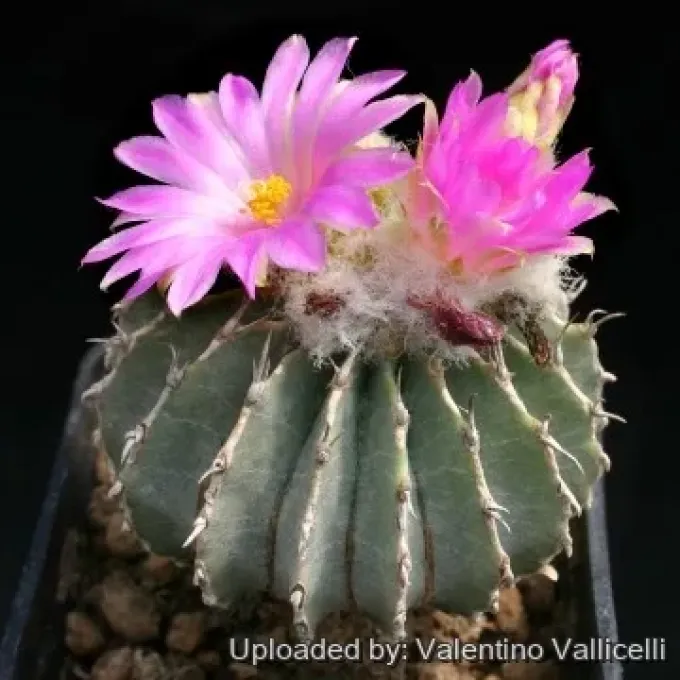
Geohintonia mexicana is a distinctive member of the Cactaceae family, native to a very restricted region in the Mexican state of Nuevo León. It is a slow-growing, globose cactus that has evolved to thrive in specialized limestone habitats.
To cultivate this species successfully, growers must use a highly mineralized substrate consisting primarily of inorganic components like limestone gravel and coarse sand. Adequate drainage is the most critical factor to ensure long-term plant health.
This species demands full sun exposure throughout the growing season to maintain its compact morphology and characteristic blue-grey epidermis. In low-light conditions, the plant may etiolate, losing its natural aesthetic and structural integrity.
The irrigation strategy should follow the soak-and-dry method, ensuring the soil is completely dehydrated before the next watering session. During the winter dormancy period, the plants should be kept dry in a cool environment to simulate their natural winter cycle.
While not a traditional agricultural crop, it is a highly prized plant in the nursery industry and among cactus enthusiasts. Propagation is typically performed via seeds, which requires specific patience due to the extremely slow growth rate of the seedlings.
Main diseases and pests
The most prevalent threats are fungal and bacterial infections induced by excessive moisture or poor ventilation. Overwatering often leads to internal rot, which is frequently irreversible if detected too late.
Pests such as mealybugs and red spider mites are common concerns in greenhouse environments. These pests can be managed through regular physical inspections and the application of appropriate contact or systemic acaricides and insecticides.