
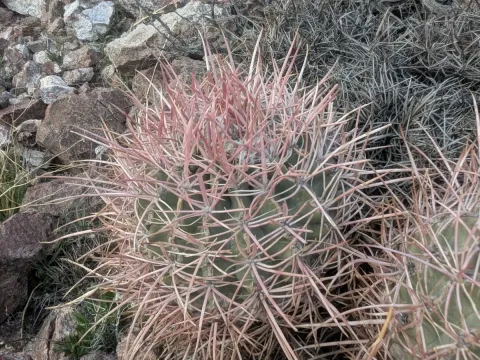
Echinocactus
Echinocactus
Echinocactus propagation is primarily performed via seeds, which require a controlled environment with temperatures between 20 and 25 degrees Celsius to germinate.
What the section contains
Echinocactus
The optimal sowing period is during the spring months, allowing the seedlings to benefit from the increasing duration and intensity of sunlight.
Seeds should be placed on a well-draining, sterile soil mixture consisting of coarse sand and loam, ensuring they are not buried too deeply.
Maintaining high humidity with a transparent cover is essential during the initial phase, provided that the container is ventilated daily to prevent fungal issues.
Seedlings are ready for their first transplant once they develop their primary spines, indicating that they have built sufficient resilience for individual pots.
The Echinocactus belongs to the Cactaceae family, native to the arid desert landscapes of Mexico and the Southwestern United States, where it thrives in extreme heat.
As a light-demanding culture, it requires direct sun exposure for several hours a day to maintain its compact, globe-shaped architecture and healthy epidermis.
Soil composition must prioritize drainage, typically utilizing a mix of mineral components like perlite, pumice, and grit to prevent moisture retention at the roots.
The watering regime should be seasonal: abundant during the summer growth phase, with a mandatory dry period in winter to mimic the plant's natural dormancy.
Agricultural management involves using low-nitrogen fertilizers to avoid excessive succulent growth, which can lead to structural weakness and loss of form.
Root rot is the most significant physiological threat, usually resulting from overwatering or inadequate soil aeration during the cooler months of the year.
Insect pests such as spider mites and mealybugs frequently infest the areoles, causing unsightly damage and weakening the overall vigor of the cactus.
Fungal pathogens like Fusarium can infect the root system if the substrate remains damp for too long, necessitating immediate intervention with fungicides.
Regular monitoring of the stem and root zone, combined with good air circulation, is the best strategy for maintaining long-term plant health.
- Root rot
- Spider mites
- Mealybugs
- Fusarium wilt