
Echinocactus horizonthalonius
Echinocactus horizonthalonius
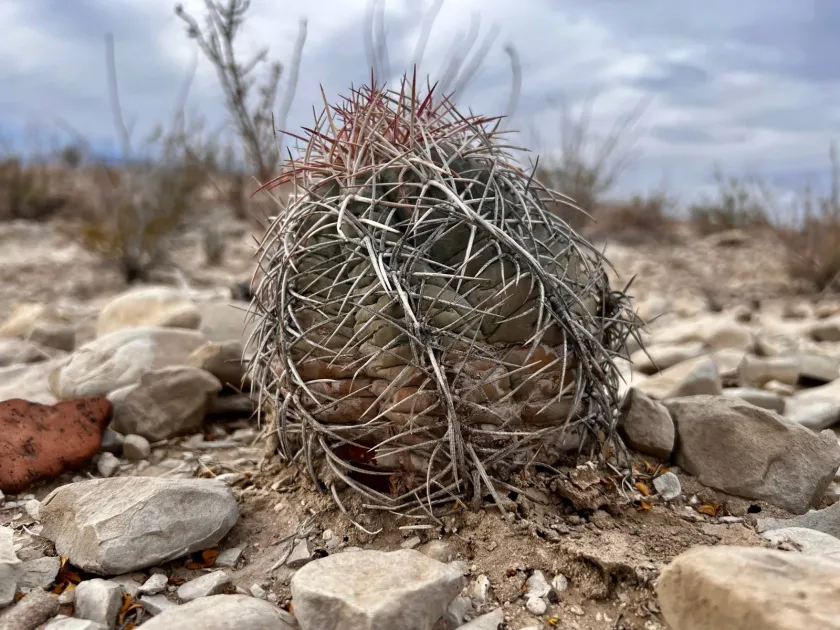
Description
Sowing dates
Echinocactus horizonthalonius is propagated exclusively by seeds, as this species does not produce offsets. Sowing is best performed in the spring when daylight hours increase significantly, providing the necessary energy for seedling development.
A sterile, well-draining substrate rich in fine sand or grit should be used for sowing. Seeds are placed on the surface of the moist soil without covering them, and the container is covered to maintain high humidity for germination.
Maintaining a temperature between 22–25 degrees Celsius promotes uniform germination. Regular ventilation of the container is essential to prevent the formation of mold and damp-off, which are common threats to young seedlings.
Pricking out the seedlings should only occur once they have reached a reasonable size. This species is characterized by an extremely slow growth rate, requiring patience and stable conditions to ensure successful establishment.
The best time for the first transplant is late spring, ensuring the root system can recover quickly while the plant is in its primary growth phase.
Growing requirements
As a member of the Cactaceae family, this species originates from the stony deserts of Mexico and the USA. It requires intense sunlight throughout the year to maintain its compact shape and characteristic grey-blue epidermal color.
The soil medium must be highly porous and inorganic. A balanced mix of loam, leaf mold, and a large proportion of coarse sand or pumice ensures efficient drainage, preventing water stagnation around the roots.
Watering requires strict discipline: the soil must dry out completely between waterings. In winter, the plant requires a dormant period with reduced temperatures around 10–12 degrees Celsius to stimulate future flowering.
Excessive humidity in the root collar area is dangerous. A top dressing of fine gravel is recommended to keep the base of the stem dry, as contact with wet soil frequently causes rot in mature specimens.
Adequate ventilation is critical for maintaining plant health. Proper airflow helps manage temperature fluctuations and prevents the accumulation of excess humidity, which can otherwise spoil the plant's waxy cuticle.
Main diseases and pests
The main threats to Echinocactus horizonthalonius include various forms of fungal rot, usually triggered by improper watering practices or poor ventilation. Root rot is particularly lethal and often progresses rapidly.
Among pests, the spider mite is a major problem, as it damages the epidermis, leaving unattractive dry spots. Mealybugs may also infest the plant, hiding deep within the dense spines and ribs of the cactus.
- Root rot (Fusarium, Phytophthora)
- Spider mites
- Mealybugs
- Scale insects
Disease prevention relies on regular inspection of the plant and strict control over moisture levels. Using fungicides is recommended only at the earliest signs of discoloration or tissue softening.
Proactive care involves using clean tools during handling and ensuring the substrate is properly sterilized before use to prevent introducing pathogens into the growth environment.