
Echinocactus platyacanthus
Echinocactus platyacanthus
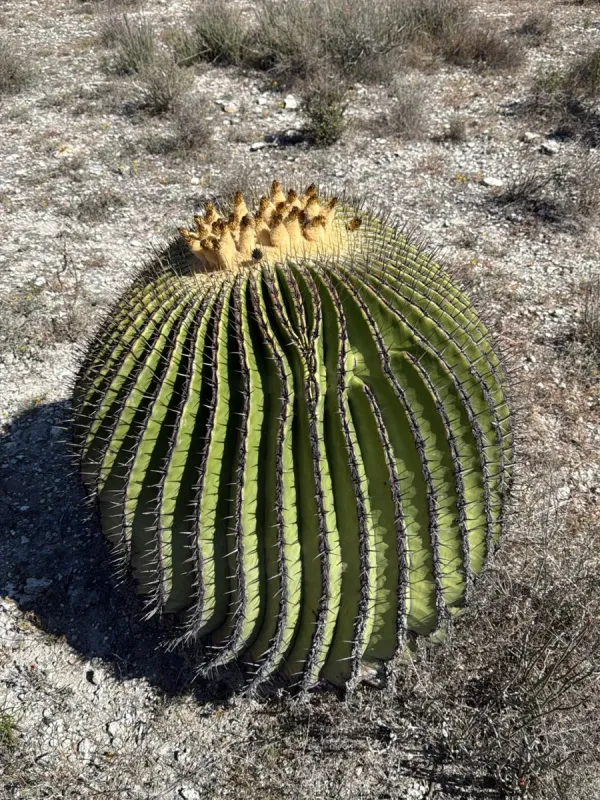
Description
Sowing dates
The propagation of Echinocactus platyacanthus is primarily conducted through seeds. Sowing is best performed in the spring, when temperatures are consistently maintained between 20 and 25 degrees Celsius.
A sterile, well-draining substrate consisting of a mix of sand, perlite, and peat is recommended for successful germination. Seeds should be surface-sown and lightly covered with a thin layer of sand to maintain optimal humidity levels.
Seedlings require a period of adaptation to lower humidity levels after they germinate. Consistent, moderate moisture is crucial during the early stages of growth to support the delicate root system.
Pricking out the young plants into individual pots is typically done after 6 to 12 months, once the seedlings are strong enough to withstand handling and show initial spine development.
Since this species grows very slowly, mature plants need repotting only every three to four years, always using containers that are just slightly larger than the previous ones.
Growing requirements
Echinocactus platyacanthus is a member of the Cactaceae family, native to the arid regions of Mexico. This plant is highly adapted to extreme temperature fluctuations and water scarcity.
To ensure healthy development, the plant requires maximum solar exposure throughout the year. Insufficient light leads to etiolation, which significantly diminishes the plant's structural integrity and aesthetic value.
The soil should be rocky, with high aeration and a neutral or slightly acidic pH. Heavy, water-retaining soils are unsuitable as they promote rot and negatively impact the root environment.
During the active growth season, water sparingly but thoroughly after the substrate has completely dried. In winter, the plant enters a dormant phase, requiring almost no water and cool temperatures around 10 to 12 degrees Celsius.
The plant thrives in summer temperatures ranging from 25 to 35 degrees Celsius, which allows it to store energy and build a resilient epidermis.
Yield
While industrial-scale agricultural use is limited, Echinocactus platyacanthus is a highly sought-after species in the ornamental plant trade and decorative greenhouse industry.
In its native range, the fruits of this cactus can be consumed, providing a supplementary food source. However, its value in modern agriculture is primarily centered on its ornamental and biodiversity potential.
The crop's productivity is evaluated by its ability to maintain growth in arid conditions with minimal resources, making it a subject of interest for xerophytic farming studies.
Commercial production requires a long-term investment, as specimens suitable for market sale often take five to seven years of cultivation to reach the desired size.
Economic efficiency is achieved through the plant's high durability and low maintenance costs, making it a viable option for specialized desert-style garden nurseries.
Main diseases and pests
The most significant threat to Echinocactus platyacanthus is excessive soil moisture, which inevitably leads to root and stem rot caused by various soil-borne pathogens.
Mealybugs are the most common pests, often hiding within the deep ribs of the cactus. Their activity can weaken the plant and facilitate secondary infections.
Spider mites can also be problematic if the indoor environment becomes excessively dry, leading to damage to the plant's surface and potential loss of aesthetic appearance.
Management involves the use of systemic insecticides, proper ventilation, and immediate removal of damaged plant tissue to stop the spread of infection.
- Ensure excellent drainage by using volcanic rock or coarse sand.
- Monitor the crown of the plant regularly for early signs of insect infestation.
- Maintain proper quarantine protocols for new specimens entering the collection.
Harvesting
The harvest of ornamental products involves carefully preparing mature plants for transport, which includes securing the base and protecting the spines from breakage.
Seed collection is performed manually once the fruits have fully dried, ensuring that the seeds are cleaned and stored in a cool, dry place before the next sowing season.
Protective gear, specifically thick, thorn-resistant gloves, is mandatory when handling the plants to prevent injury from the sharp, rigid spines.
For food harvesting, fruits are collected at peak ripeness when they soften, ensuring they are gathered before they become damaged by environmental exposure.
Transportation of mature specimens requires specialized bracing within containers to prevent mechanical damage to the cactus body or its root system during transit.