
Cipocereus minensis
Cipocereus minensis
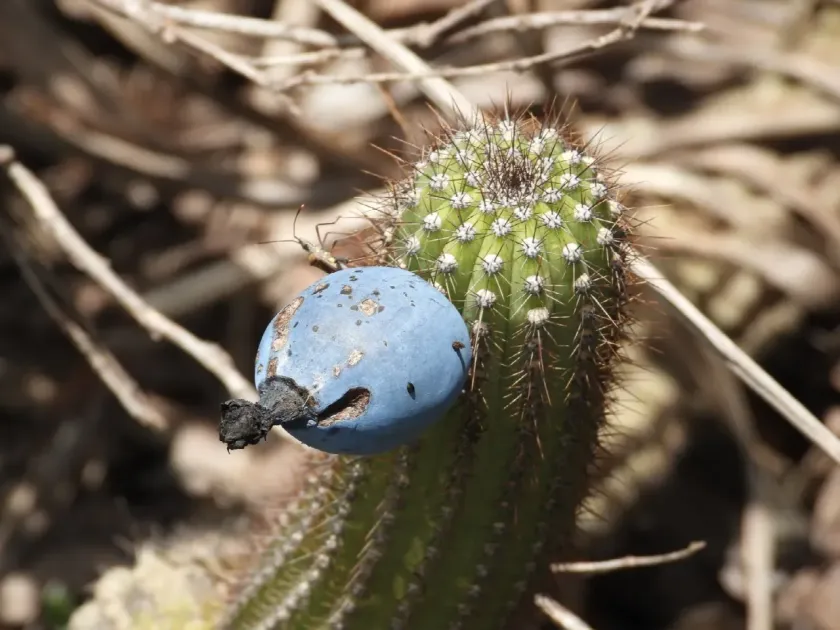
Description
Sowing dates
Cipocereus minensis is a fascinating member of the Cactaceae family, primarily propagated through seeds or stem cuttings in specialized nursery settings.
Seed sowing is best performed during the spring season to capitalize on longer daylight hours and warmer temperatures, which are vital for germination.
Seeds should be sown in a well-draining, sterile mineral-based substrate to prevent common seedling pathogens found in richer garden soils.
Cuttings should be taken from mature, healthy stems and allowed to form a callus over several days before being placed in a dry, gritty rooting medium.
Successful establishment of seedlings requires high light intensity and consistent, but not excessive, moisture during the initial development phase.
Growing requirements
Native to the rocky outcrops of Minas Gerais, Brazil, this species thrives in environments characterized by high solar radiation and rapid soil drainage.
Cultivation requires a potting mix composed primarily of coarse sand, perlite, and small gravel, ensuring that water passes through the pot almost immediately.
The plant demands as much direct sunlight as possible to maintain its natural growth habit and to promote the development of its distinctive waxy cuticle.
Watering protocols must be strictly controlled, allowing the soil to dry out completely between sessions to prevent root rot in the desert-adapted roots.
During the dormant winter season, temperatures should be kept cool, ideally between 10 and 15 degrees Celsius, to simulate the natural climatic cycle.
Main diseases and pests
Root rot is the most significant threat to this species, usually resulting from overly heavy soil or insufficient drainage in the growing container.
Mealybugs are common pests that tend to cluster in the crevices between the cactus ribs, making early detection and intervention critical for plant health.
Spider mites can also attack the epidermis of the plant, especially in low-humidity environments, causing unsightly scarring and general stress.
Effective pest management involves the use of specialized cactus-safe insecticides and manual removal where infestations are localized and minor.
To ensure long-term health, growers must prioritize adequate ventilation and strictly avoid overhead watering, which can trap moisture against the stem.