
Astrophytum ornatum
Astrophytum ornatum (DC.) Britton & Rose
Description
Sowing dates
Sowing seeds of Astrophytum ornatum is best performed in late spring when ambient temperatures are consistently warm. Using a sandy, well-draining substrate is critical to prevent seedling damping-off, a common issue in succulent propagation.
Seeds are placed on the surface of the moist soil and lightly pressed down without deep burial. Covering the container with transparent plastic maintains the necessary humidity level of 70–80%, which is essential for uniform germination in the first two weeks.
Once seedlings emerge, they require filtered, bright light to develop strong tissues. Gradual exposure to open air is mandatory to harden the young plants, preventing them from becoming elongated or weak due to insufficient ventilation.
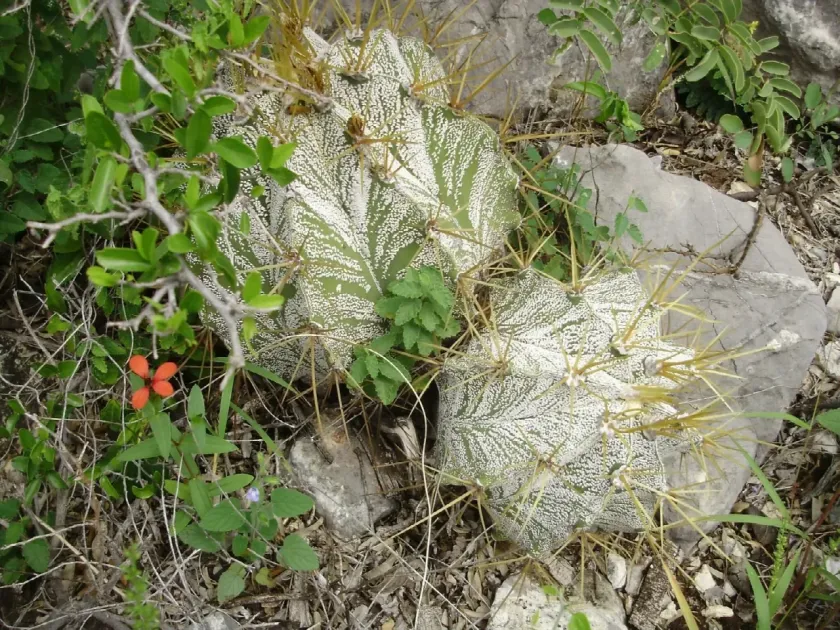
This species belongs to the Cactaceae family and is native to the arid regions of central Mexico. It is widely cultivated globally by collectors and horticulturalists for its ornamental white-flecked stem and prominent ribs.
Pricking out seedlings is recommended only after they have grown sufficiently to be handled without damage to the root system. Proper nutrition at the seedling stage includes diluted mineral fertilizers designed for cacti to ensure steady growth.
Growing requirements
Astrophytum ornatum demands intense sunlight to maintain its signature shape and density of white scales. Growing it in partial shade leads to etiolation, which permanently compromises the plant's aesthetic value and physiological health.
The substrate must be highly porous, consisting of coarse sand, perlite, and a small amount of pumice. A neutral or slightly alkaline pH is preferable, mirroring the rocky, limestone-rich natural habitats of the species in its native environment.
Watering must follow a strict "dry-out" cycle: allow the potting mix to dry completely between applications. During winter dormancy, the plant should remain almost entirely dry to prevent freezing injuries to the roots at low temperatures.
Cool wintering at temperatures between +8°C and +12°C is necessary to trigger flowering in the subsequent season. Exposure to warm temperatures during winter prevents the cactus from entering a deep sleep, leading to reduced vigor in spring.
Good ventilation is vital to keep the plant surface dry and prevent fungal outbreaks. Positioning the plant in a spot with constant airflow significantly lowers the risk of common cacti diseases associated with humidity pockets.
Main diseases and pests
Root rot is the most significant threat, often triggered by waterlogged soil during periods of low light or poor ventilation. Immediate intervention involving repotting in dry, sterile substrate is the only way to save a rotting plant.
Mealybugs are common pests that hide within the deep grooves of the cactus ribs. Their presence is marked by white, cotton-like masses, which should be treated with systemic insecticides or manual removal using an alcohol-soaked cotton swab.
Spider mites can infest the plant in environments with extremely low humidity and high temperatures. They manifest as small, unsightly patches of tissue damage that, if left untreated, can expand to cover the entire stem.
Scale insects attach themselves firmly to the cactus epidermis, causing localized tissue necrosis. Regular inspection of the stem surface allows for the early detection and removal of these pests before they establish large colonies.
Fungal infections, including Fusarium wilt, thrive in poorly drained substrates and cool, humid environments. Maintaining clean growing conditions and using fungicides as a preventative measure are key to ensuring the long-term survival of the crop.