
Astrophytum myriostigma
Astrophytum myriostigma Lem.
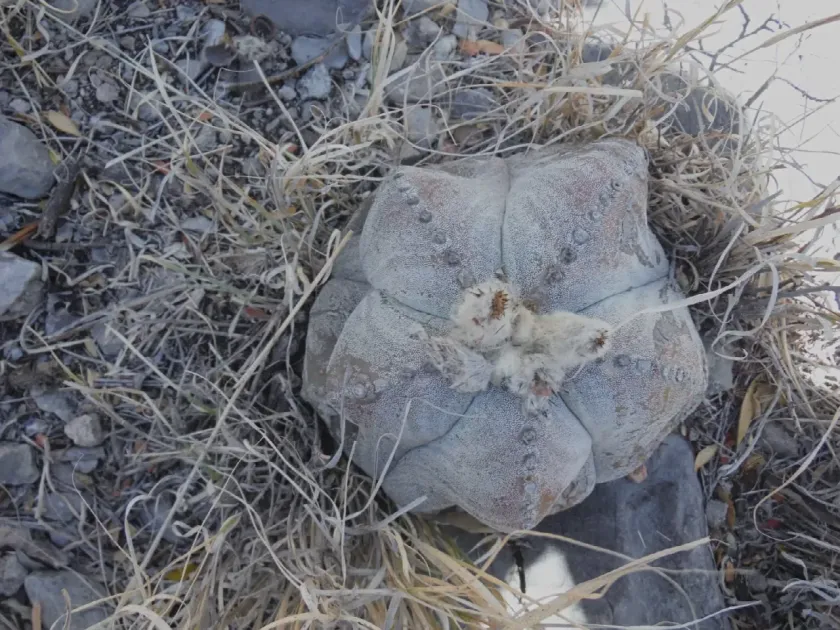
Description
Sowing dates
Propagation of Astrophytum myriostigma is best achieved through seeds sown during the spring months. Optimal germination requires a stable temperature range between 22 and 25 degrees Celsius and high humidity levels.
Seeds should be placed on a sterile, well-draining substrate composed of sand and leaf mold. Regular ventilation of the seed tray is essential to prevent fungal growth, which is a common danger for young seedlings.
Seedlings show slow initial growth and are typically pricked out about one year after germination. Careful management of light and moisture is crucial during this delicate phase to prevent stretching.
Using a bottom heating mat during the sowing process can significantly increase the germination rate of older seeds. Always ensure that the seeds are fresh, as longevity for this species is relatively short.
Pre-treatment of seeds with mild fungicides is recommended to reduce the risk of damping-off. Once emerged, seedlings must be gradually acclimated to lower humidity and more ventilated conditions.
Growing requirements
Astrophytum myriostigma, a member of the Cactaceae family, originates from the arid regions of Mexico. It is a heliophilic species that requires direct and abundant sunlight to maintain its iconic star-shaped appearance.
Cultivation requires a highly porous, mineral-based substrate to ensure rapid water drainage. A mix of coarse sand, perlite, pumice, and minimal organic content provides the ideal environment for the root system.
During the growing season, watering should be thorough but infrequent, allowing the substrate to dry out completely between sessions. Winter dormancy requires cool, dry conditions to trigger spring flowering.
A gravel top dressing is highly recommended to protect the root neck from moisture-related rot. This technique prevents the plant epidermis from touching the damp soil, which is vital for long-term health.
Commercially, this species is highly valued in the ornamental plant trade. Its geometric form and ease of maintenance in a mature state make it a staple in succulent collections and arid-style landscapes.
Main diseases and pests
Rot is the most significant threat to this cactus, usually caused by overwatering or poor ventilation in cold weather. Immediate surgical removal of rotted tissue followed by a fungicide application is necessary.
Mealybugs are common pests that infest the deep ridges of the plant. These pests are easily identified by their white, waxy secretions and must be treated with appropriate systemic insecticides or alcohol-based applications.
Spider mites can become problematic if the ambient air remains too dry for extended periods. Damage manifests as unsightly brown corky patches on the skin, which significantly lowers the plant's aesthetic value.
Root mealybugs often go undetected until the plant shows signs of severe stress or dehydration. Inspection during repotting is essential for identifying this hidden threat and treating it before it spreads.
Proactive pest control and maintaining a rigorous sanitation schedule in the growing area are the best ways to keep an Astrophytum healthy. Avoid using overhead watering to minimize the risk of pest habitat creation.