
Lady fern
Athyrium filix-femina
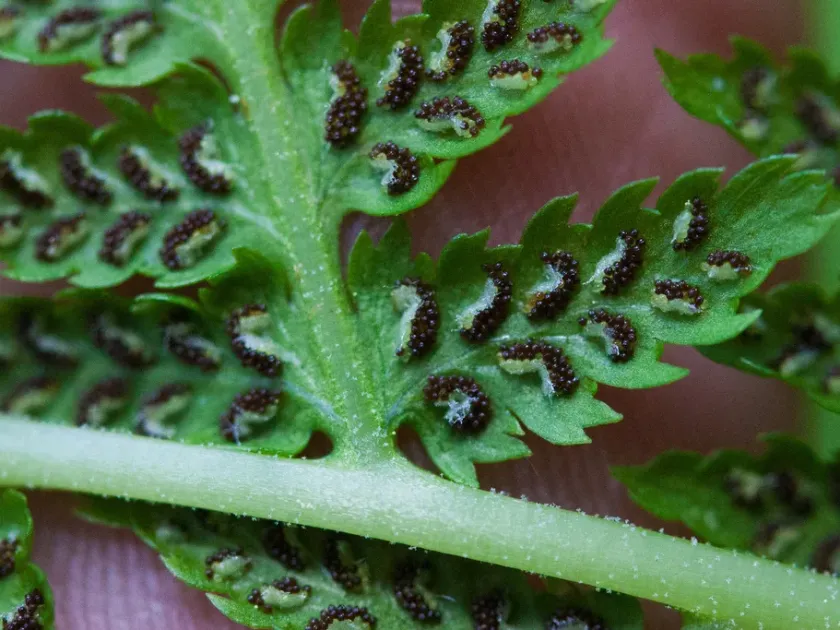
Description
Growing requirements
The lady fern (Athyrium filix-femina) is a species of fern in the family Athyriaceae. It is a highly appreciated deciduous perennial that is native to moist, temperate regions of the Northern Hemisphere, often found in forests and along stream banks.
The plant is known for its graceful, feathery fronds which can grow up to a meter in height. It forms a dense clump that adds a soft, lush texture to shady garden beds, making it a popular choice for woodland-themed landscapes.
It thrives in partial to full shade, avoiding direct sunlight that can scorch the delicate foliage. Consistent moisture is the most critical factor for its success, as the lady fern does not tolerate dry conditions well.
Soil should be rich in organic matter, loose, and well-drained but capable of holding moisture. A neutral to slightly acidic pH is preferred, mimicking the forest soil composition that the plant naturally inhabits.
Maintenance includes providing a layer of mulch, such as leaf mold or compost, to keep the roots cool and moist. In colder regions, the fronds will die back in winter, and they should be trimmed off once they turn brown.
Main diseases and pests
The lady fern is generally robust and free from serious diseases; however, root rot can occur if the soil remains waterlogged for extended periods, especially during the dormant winter season.
Fungal issues like powdery mildew may arise if the plant is grown in areas with poor airflow. Providing adequate spacing between plants is an effective cultural control measure to ensure healthy growth.
Slugs and snails are the most common pests, particularly in spring when the young fiddleheads are unfurling. These pests can cause significant aesthetic damage by eating holes in the expanding fronds.
Control methods include using physical barriers, such as copper tape, or applying environmentally friendly slug pellets around the base of the plant to protect new growth.
While aphids can occasionally colonize the underside of the leaves, they rarely cause severe damage. If an infestation occurs, a simple wash with a steady stream of water or a mild insecticidal soap is usually sufficient to resolve the issue.