
Athyrium sheareri
Athyrium sheareri
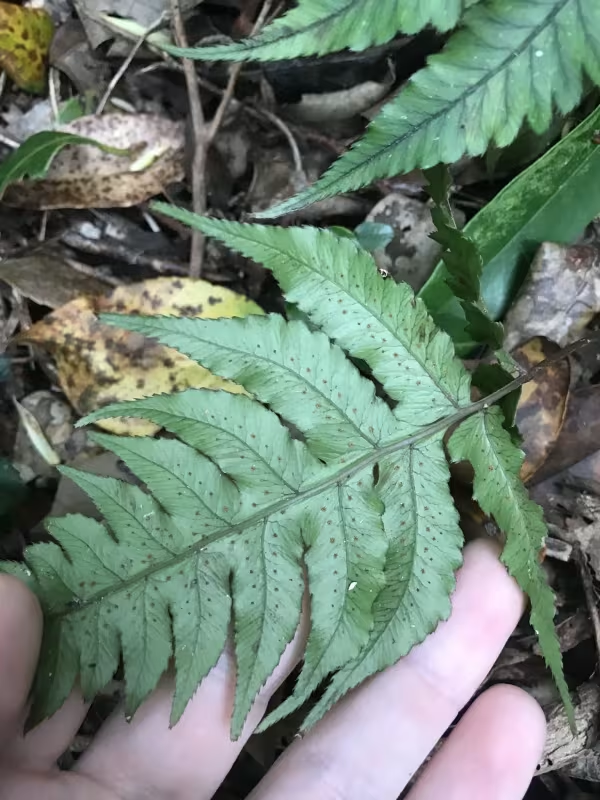
Description
Growing requirements
Athyrium sheareri is a perennial herbaceous plant belonging to the Athyriaceae family. It is recognized for its elegant, deeply divided fronds that form a lush, symmetrical rosette, making it a popular choice for woodland gardens.
Native to the forest regions of East Asia, including parts of China and Japan, this species has evolved to thrive in cool, shaded environments. It typically grows in nutrient-rich soils that retain moisture throughout the growing season.
The primary environmental requirement for successful cultivation is consistent shade or partial shade. Exposure to direct sunlight can severely damage the fronds, leading to dehydration and leaf browning, which diminishes the plant's aesthetic appeal.
Soil conditions must prioritize aeration and organic matter content. A loose, humus-rich substrate with a slightly acidic to neutral pH is ideal. Ensuring excellent drainage is crucial to prevent root zone suffocation during heavy rains.
As a landscaping plant, it serves as a sophisticated ground cover for north-facing slopes or shaded flower beds, providing a sense of forest tranquility due to its unique texture and refined foliage structure.
Main diseases and pests
Athyrium sheareri is generally robust, but it can be susceptible to common fern-related issues if environmental conditions are not properly managed. Waterlogging is the most frequent cause of root decay in this species.
Slugs and snails pose the most significant pest risk, particularly during damp spring and autumn periods. These mollusks can rapidly defoliate younger, more tender fronds if left unchecked by the gardener.
To mitigate these threats, it is advised to maintain a tidy growing area by removing decaying leaves and weeds that serve as shelters for pests. Mulching with inorganic materials like crushed shells can also deter snail movement.
In cases of severe infestation, targeted biological control methods are preferred over harsh chemicals to maintain the health of the surrounding ecosystem and soil microbiome.
Monitoring for signs of leaf spot or fungal blight is also recommended, especially during seasons with unusually high humidity levels without sufficient airflow through the planting beds.