
Athyrium otophorum
Athyrium otophorum
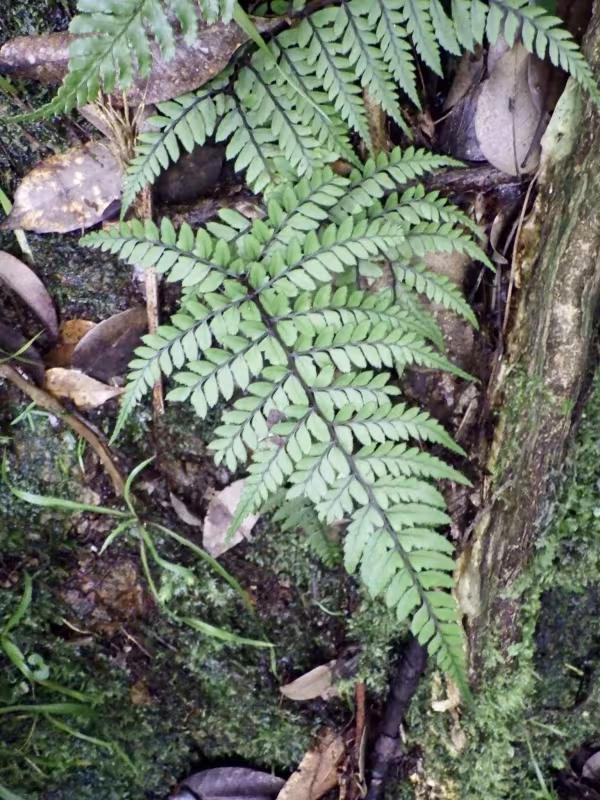
Description
Growing requirements
Athyrium otophorum, commonly known as the Eared Lady Fern, is a deciduous perennial fern belonging to the Athyriaceae family. It is widely celebrated by gardeners for its distinct architectural form and the striking contrast between its reddish-purple stipes and the mature, soft green fronds that emerge throughout the growing season.
The species originates from East Asia, specifically regions within Japan and China. In its native habitat, it thrives in moist, sheltered woodland environments. As an ornamental crop, it is ideally suited for shady borders, woodland gardens, or containers where its unique coloration and texture can be appreciated at close range.
Cultural requirements emphasize the need for partial to full shade. Direct sunlight is highly detrimental to the foliage, often causing the leaves to bleach or scorch. A site protected from strong winds is essential to maintain the delicate fronds and ensure the plant remains lush and healthy during the summer months.
Soil conditions should favor a loose, porous, and humus-rich medium with a slightly acidic profile. While the fern requires consistent moisture, excellent drainage is non-negotiable; heavy, waterlogged soils will lead to root rot. Incorporating leaf mold or well-rotted compost into the planting hole enhances soil structure significantly.
Maintenance involves routine watering to prevent the root ball from drying out. Applying a layer of organic mulch around the base helps retain soil moisture and suppresses weeds. During the dormant winter phase, the fern dies back to the ground, requiring little attention until new growth begins in the spring.
Main diseases and pests
Athyrium otophorum is generally robust, but it is susceptible to damage from common garden pests, most notably slugs and snails. These mollusks can rapidly defoliate the plant, especially in early spring when the young, tender croziers are unfurling. Regular monitoring and physical barriers are recommended for effective control.
Pathological threats are primarily linked to poor site management. Root rot caused by fungal pathogens such as Phytophthora or Pythium often follows excessive irrigation or inadequate drainage. Preventing standing water is the primary defense strategy against these soil-borne threats to the fern's health.
In hot, dry conditions, spider mites may colonize the fronds, leading to a mottled appearance and premature leaf drop. Increasing ambient humidity through regular misting or careful irrigation can deter these infestations, as they prefer dry, stressed environments over healthy, hydrated foliage.
Foliar diseases, such as leaf spots, can occasionally occur if the plant is overcrowded or if the canopy lacks sufficient airflow. Maintaining adequate spacing between specimens ensures the foliage dries quickly after rainfall, which helps to mitigate the spread of fungal spores across the garden.
Proper winter care serves as a preventive measure against environmental stress. Applying a light layer of mulch or leaves over the dormant crown protects the plant from extreme temperature fluctuations and late spring frosts, which can damage the emerging growth before the plant fully establishes its summer foliage.