
Athyrium clivicola
Athyrium clivicola
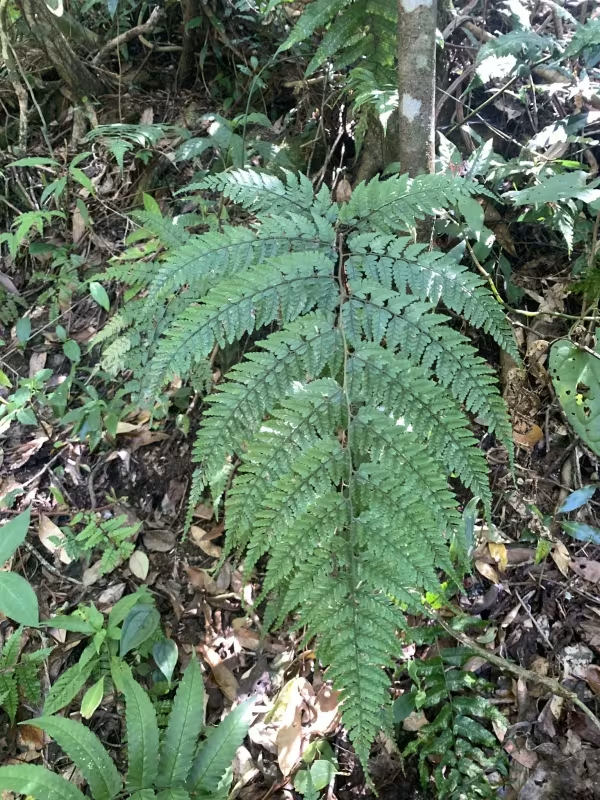
Description
Growing requirements
Athyrium clivicola is a perennial herbaceous fern belonging to the Athyriaceae family. Naturally occurring in damp woodland environments and rocky slopes, this species exhibits a strong affinity for sheltered, high-humidity locations, which serves as a foundation for its cultivation requirements.
The plant thrives in partial to full shade, requiring protection from direct solar radiation, which can dehydrate the fronds and cause significant tissue damage. Optimal growing sites often include northern exposures or areas under the canopy of deciduous trees that provide natural filtration of light.
Soil management for Athyrium clivicola involves providing a loose, nutrient-rich medium with high water-holding capacity and excellent drainage. The species favors slightly acidic to neutral soils amended with organic matter, such as leaf mold or pine bark, to mimic its native habitat conditions.
Climate requirements for this fern include stable humidity levels throughout the growing season. While the species is generally hardy, it requires consistent moisture in the root zone to thrive, though it cannot tolerate waterlogged conditions that lead to oxygen deprivation for the rhizomes.
In terms of agricultural and horticultural use, the fern is primarily valued as an ornamental species. Its elegant, finely divided fronds make it an excellent choice for woodland garden design, shady borders, and decorative rockery plantings, where it contributes to a naturalistic aesthetic.
Main diseases and pests
Fungal pathogens represent the most significant threat to Athyrium clivicola, particularly under conditions of poor air circulation and excessive moisture. Diseases such as leaf spots or grey mold can rapidly degrade the foliage, necessitating prompt removal of infected parts.
Mollusks, including slugs and snails, are major pests for this fern, often targeting tender young shoots during the early stages of growth. Implementing protective barriers or managing the surrounding mulch helps mitigate the impact of these common garden pests.
Spider mites can become a problematic issue during periods of prolonged drought or heat, especially if the air humidity drops significantly. Maintaining a moist environment around the foliage serves as an effective preventative measure against mite infestations.
Root rot is a critical threat often associated with heavy or compacted soils that prevent proper gas exchange. Selecting a well-structured soil mix is essential for maintaining plant vigor and preventing the development of anaerobic conditions that favor root pathogens.
Overall plant health is highly dependent on appropriate site selection and consistent maintenance. Ensuring that the ferns are not overcrowded and have sufficient space for airflow significantly reduces the risk of pest and disease outbreaks throughout the year.