
Athyrium vidalii
Athyrium vidalii
Description
Growing requirements
Athyrium vidalii is a perennial fern species belonging to the Athyriaceae family. Native to the humid woodland regions of East Asia, it is highly valued in horticulture for its graceful foliage and adaptability to shady environments where other garden plants may struggle.
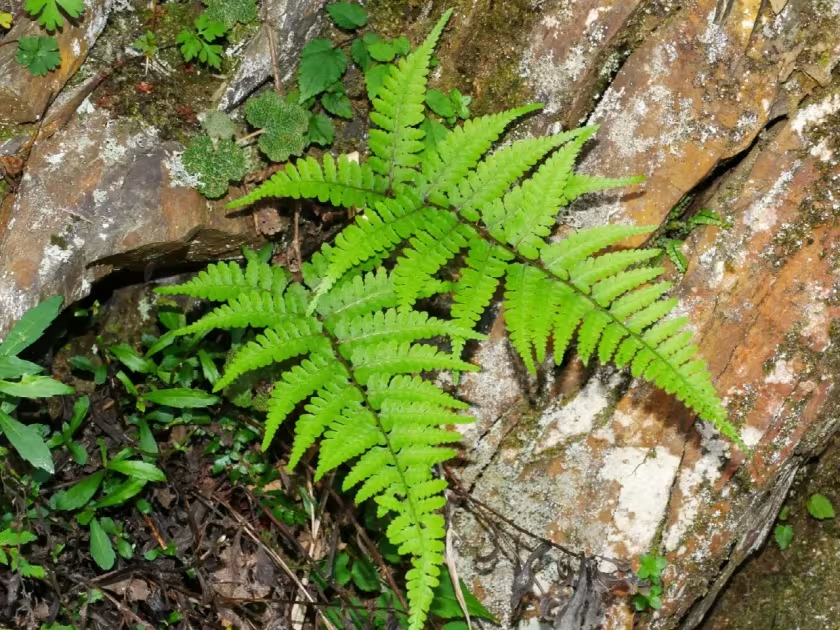
The botanical structure of this fern features delicate, pinnate fronds that form a symmetrical rosette, typically reaching up to 50–60 cm in height. Its rhizomatous habit allows it to spread moderately over time, creating lush, green groundcover patches that are ideal for naturalistic landscape designs.
Success in cultivating this species depends on mimicking its native habitat, which involves planting in cool, shaded areas. It thrives best in woodland gardens where canopy cover protects it from direct, harsh sunlight that would otherwise bleach its fronds and dehydrate the plant.
The soil requirements for Athyrium vidalii include high organic content, consistently moist conditions, and good drainage. While it appreciates moisture, it is crucial that the soil does not become waterlogged, as poor aeration can lead to root system decay in this species.
Maintenance is relatively low, focusing primarily on consistent hydration and the application of organic mulch. A layer of compost or decomposed leaf litter serves both to retain soil moisture and to provide essential nutrients that promote robust frond development throughout the growing season.
Main diseases and pests
Like many woodland ferns, Athyrium vidalii is relatively resistant to major plant diseases. However, in environments with poor air circulation and excessive moisture, botrytis or other fungal pathogens may affect the base of the fronds, necessitating prompt removal of infected debris.
Pest management is generally focused on controlling gastropods, such as slugs and snails, which can cause significant aesthetic damage to the fern's soft foliage. Regularly monitoring the garden perimeter and applying appropriate barriers can effectively protect the plants from these pests.