
Alpine lady-fern
Athyrium distentifolium
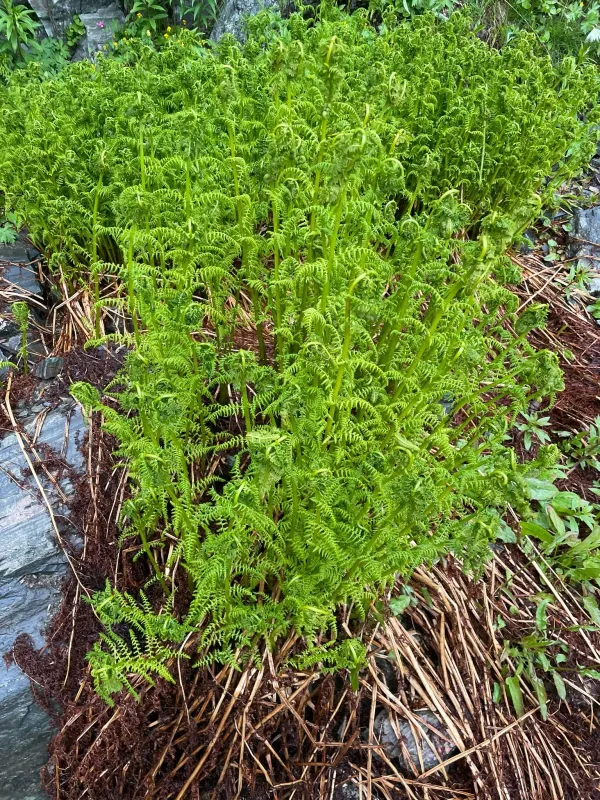
Description
Growing requirements
Athyrium distentifolium, commonly known as the alpine lady-fern, is a perennial plant belonging to the Athyriaceae family. This species is native to subalpine and alpine regions of the Northern Hemisphere, where it thrives in moist, rocky habitats and woodland borders.
For successful cultivation, the alpine lady-fern requires cool, humid conditions and partial to full shade. It is highly susceptible to heat stress and drying out, making it unsuitable for hot, arid climates unless carefully managed in shaded garden microclimates.
The ideal soil profile consists of moist, humus-rich, and well-draining loams. The fern performs best in slightly acidic to neutral soil pH levels. Ensuring consistent moisture without stagnant water is crucial for the health and vitality of the root system.
Botanically, the plant features large, bipinnate fronds that form a dense, elegant crown. Its rootstock is vertical and sturdy, allowing the plant to persist in harsh mountain environments through winter dormancy, with new growth appearing each spring.
In terms of usage, the alpine lady-fern is primarily valued for its ornamental appeal in shade gardens, rockeries, and woodland landscaping. Its delicate texture and lush appearance provide a naturalistic feel to garden spaces, often serving as a structural element in plantings.
Main diseases and pests
The primary threats to Athyrium distentifolium in cultivation are fungal diseases, such as leaf spots and root rots, typically triggered by waterlogged soil and high humidity with poor air circulation.
Slugs and snails are major pests, especially during the early growing season when young, tender fronds are emerging. Physical barriers like crushed stone or eggshells are effective tools to protect the plants from these mollusks.
Aphid infestations may occur during dry spells, causing leaf curling and reduced plant vigor. Integrated pest management, including regular inspection and the use of insecticidal soaps, is recommended to mitigate the damage.
Botrytis, or gray mold, can affect the fronds during periods of persistent rainfall or if the plants are spaced too closely together. Proper spacing and removing dead foliage are essential preventative maintenance steps.
Maintaining the correct balance of soil moisture and providing adequate drainage is the most effective way to prevent the development of pathogens that target the delicate rhizomes of the alpine lady-fern.