
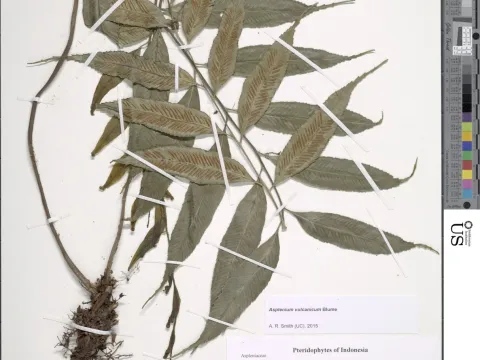
Asplenium vulcanicum
Asplenium vulcanicum
Asplenium vulcanicum belongs to the Aspleniaceae family and is a distinctive perennial fern species. Native to humid regions, it requires specific environmental conditions to thrive in commercial cultivation.
What the section contains
Asplenium vulcanicum
The substrate for this culture must be lightweight, well-draining, and rich in organic matter. Maintaining a slightly acidic to neutral pH level is essential for optimal nutrient uptake throughout the plant's life cycle.
In terms of climate, the species prefers stable temperatures between 18°C and 24°C. It is particularly sensitive to sudden temperature fluctuations and cold drafts, which can cause significant tissue damage.
Light management is crucial; Asplenium vulcanicum requires filtered, indirect light to maintain its vibrant foliage color. Direct sunlight must be avoided as it leads to leaf scorching and premature desiccation.
Consistent moisture levels are vital for the health of the fern. While the soil should remain moist, it must never become waterlogged, as this leads to root suffocation and subsequent decay of the root system.
Spider mites are the most common pest affecting this fern, especially in environments where humidity is not strictly maintained. Regular misting and proper ventilation are effective preventive measures.
Root rot is a frequent threat caused by overwatering or the use of poorly draining soil. To mitigate this risk, it is recommended to use specialized potting mixes that promote oxygen flow to the roots.
Fungal leaf spots can occur when the foliage remains wet for extended periods in low-light conditions. Ensuring good air circulation around the plants helps to reduce the incidence of such diseases.
Scale insects can occasionally infest the stems, requiring manual removal or systemic insecticides for effective control. Frequent monitoring of the undersides of the fronds is recommended for early detection.
Nutrient deficiencies, particularly involving magnesium and iron, can lead to foliage discoloration. Regular application of balanced, diluted fertilizers is necessary to maintain the plant's structural integrity and aesthetic value.