
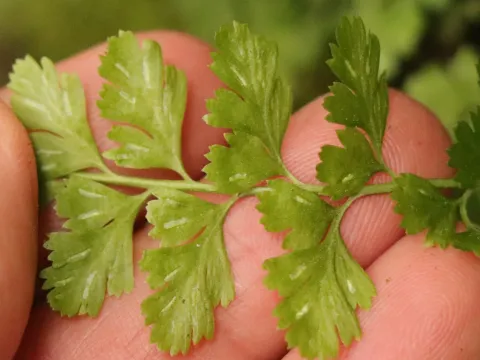
Asplenium varians
Asplenium varians
Asplenium varians is a perennial fern belonging to the Aspleniaceae family. It is naturally found in temperate and subtropical regions, typically thriving in moist, shaded, and rocky environments which provide the cool humidity it requires for optimal growth.
What the section contains
Asplenium varians
Botanically, this species is defined by its bipinnate fronds that form compact, graceful rosettes. The foliage is leathery and deep green, making it a highly desirable specimen for terrariums, indoor displays, and specialized horticultural collections.
Successful cultivation of this fern depends on maintaining high atmospheric humidity levels, ideally between 60% and 75%. In indoor environments, consistent misting or the use of pebble trays with water is essential to prevent the fronds from crisping or drying out.
The temperature range for Asplenium varians should ideally remain between 18 and 24 degrees Celsius. While it can withstand cooler conditions, it is strictly intolerant to frost and cold drafts, which can cause immediate tissue damage to the tender fronds.
Regarding soil requirements, the plant demands a well-draining, airy medium rich in organic matter. A mixture of peat, perlite, and sphagnum moss ensures that the roots receive sufficient oxygen while retaining enough moisture to support constant growth.
Scale insects are a primary pest threat, often hiding in the crevices of the fronds. Infestations should be managed by manually removing the insects and treating the foliage with systemic insecticides or neem oil solutions to prevent further spread.
Mealybugs are another common challenge, appearing as white, cotton-like masses on the undersides of leaves. Regular monitoring and spot-cleaning with rubbing alcohol are effective methods for controlling small populations of these sap-sucking pests.
Root rot is the most significant physiological threat, primarily caused by waterlogged soil and poor drainage. To mitigate this risk, it is vital to ensure that pots have adequate holes and that the plant is never left sitting in stagnant water.
Fungal leaf spot diseases can occur if the foliage remains wet for extended periods in environments with poor air circulation. Improving ventilation and keeping the fronds dry during irrigation are key preventative measures against fungal pathogens.
Iron deficiency, or chlorosis, is frequently observed if the plant is watered with hard, high-calcium water. Utilizing filtered water and occasional applications of a balanced, liquid fertilizer will help maintain the plant's vibrant green color and health.