
Bird's-nest fern
Asplenium serratum
Description
Growing requirements
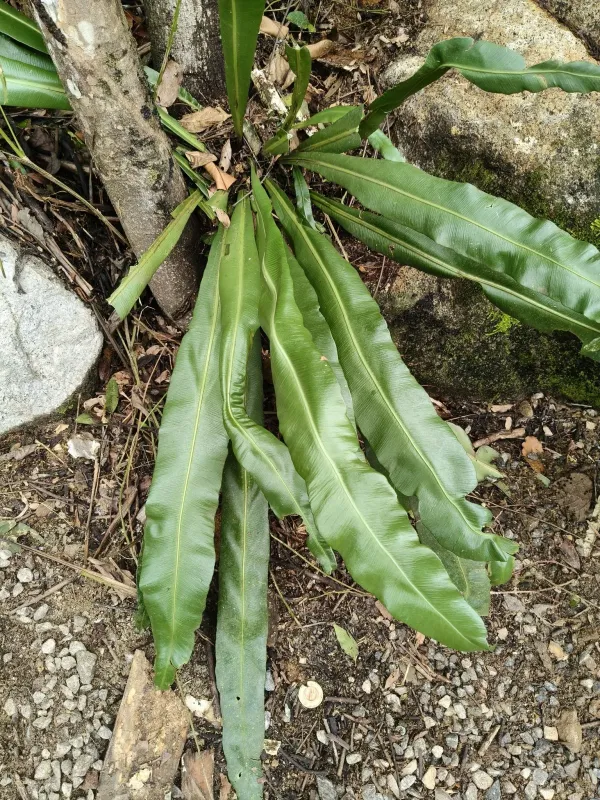
Asplenium serratum, known as the bird's-nest fern, is an epiphytic species belonging to the Aspleniaceae family. It is native to tropical regions where it thrives in shaded and humid understory environments.
Successful cultivation requires strict adherence to environmental parameters, specifically maintaining a temperature range of 20–26 °C and high atmospheric humidity levels throughout the year.
The potting medium must provide excellent drainage while retaining sufficient moisture. A mixture of orchid bark, peat moss, and perlite creates an ideal environment for the roots of this fern species.
Regarding lighting, the plant favors indirect light. High-intensity direct sunlight can scorch the fronds and lead to the degradation of the plant's overall appearance and vigor.
Watering frequency should be determined by the moisture levels of the substrate. The goal is to keep the soil consistently damp but never waterlogged to prevent oxygen deprivation in the root zone.
Main diseases and pests
Common pests include scale insects and mealybugs, which tend to congregate in the tight crevices at the base of the fern's rosette, making them difficult to detect early.
Root rot, typically caused by Phytophthora species, is a primary threat occurring due to improper watering practices or poorly draining substrate mixtures.
Spider mites are prevalent in environments with low humidity, causing stippling on the leaves and eventually leading to yellowing and premature leaf drop.
Fungal leaf spot diseases can appear if water is left sitting on the fronds for extended periods, especially in areas with poor ventilation.
Regular maintenance, including removing dead fronds and providing proper air circulation, is essential to mitigate the spread of both diseases and pest populations.