
Asplenium thunbergii
Asplenium thunbergii
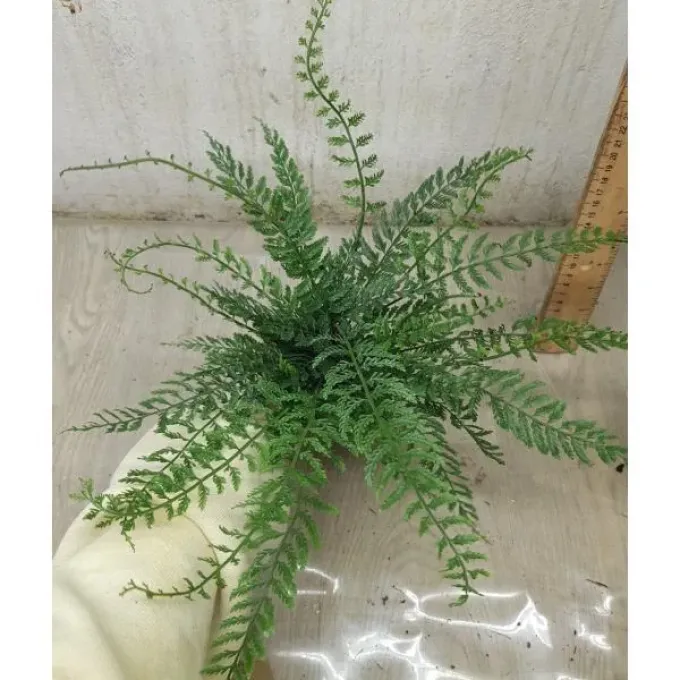
Description
Growing requirements
Asplenium thunbergii belongs to the Aspleniaceae family and is a distinctive perennial fern known for its architectural foliage. It is widely recognized in horticultural circles for its ability to thrive in shaded environments where other plants might struggle.
The plant originates from regions characterized by high humidity and moderate temperatures. In a cultivated setting, it requires a microclimate that mimics these forest-floor conditions to ensure maximum growth and leaf health.
Soil composition must be rich in organic matter and possess excellent drainage capabilities. The root system is sensitive to waterlogging, so incorporating organic compost into the soil mix is highly recommended for optimal results.
Climate requirements include constant protection from direct sunlight, which can quickly dehydrate the fronds. A location with filtered light or deep shade is essential for the plant to maintain its vibrant green color.
Regular maintenance involves keeping the soil consistently moist but never waterlogged. During periods of low humidity, it is beneficial to increase ambient moisture around the plant to prevent the tips of the fronds from browning.
Main diseases and pests
The primary threats to the health of Asplenium thunbergii are fungal diseases such as root rot, which are often caused by poor drainage or excessive stagnant water in the soil.
Common insect pests include scale insects and mealybugs. These pests hide in the crevices of the plant and feed on the sap, causing growth inhibition and leaf yellowing.
Monitoring the plant for signs of stress is crucial. If an infestation occurs, manual removal or the application of organic insecticidal soaps can be highly effective.
To ensure long-term vitality, avoid overcrowding the plants, as proper air circulation is the best defense against airborne fungal spores and humidity-loving pests.
Sanitation practices, such as removing dead fronds at the end of the season, prevent the accumulation of pathogens and support the overall hygiene of the planting area.