
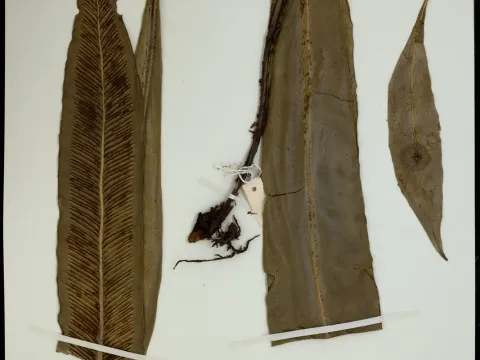
Asplenium vittaeforme
Asplenium vittaeforme
Asplenium vittaeforme is a unique species belonging to the Aspleniaceae family. This fern is native to tropical rainforests, where it typically thrives in humid, shaded environments as an epiphyte on tree trunks or on mossy forest floors.
What the section contains
Asplenium vittaeforme
The agricultural cultivation of this fern requires a highly specialized growing medium. A loose, well-draining potting mix composed of orchid bark, peat moss, and perlite is essential to simulate its natural habitat and prevent root compaction.
The fern demands consistent environmental conditions, with temperatures ideally ranging between 18°C and 25°C. Exposure to sudden cold drafts or direct heat sources from radiators must be strictly avoided to prevent the browning of the fronds.
Humidity management is the most critical aspect of caring for this species. To maintain vitality, growers should ensure ambient humidity levels remain high, utilizing misters or humidity trays in drier indoor environments.
Lighting requirements are specific, as this plant requires bright, filtered, or indirect light. While it is tolerant of lower light conditions, healthy growth and vibrant foliage development are best achieved in diffused light settings.
Scale insects and mealybugs are the primary pests that affect Asplenium vittaeforme. They tend to hide in the crevices of the fronds, making them difficult to detect until the infestation becomes significant.
Fungal diseases, specifically root rot, are common threats resulting from overwatering or inadequate soil aeration. Ensuring the pot has proper drainage holes is essential for the long-term health of the plant.
Leaf spot diseases can manifest when water is allowed to sit on the foliage in poorly ventilated spaces. Keeping the leaves dry and ensuring good air circulation around the plant is a fundamental preventive measure.
Spider mites can become a nuisance during the winter months when indoor heating lowers the air humidity. Regular leaf inspections and maintaining optimal moisture levels are effective deterrents.
If chemical interventions are necessary to control pest outbreaks, it is advised to use mild, organic-based horticultural oils, as ferns are sensitive to harsh synthetic pesticides that can cause phytotoxicity.