
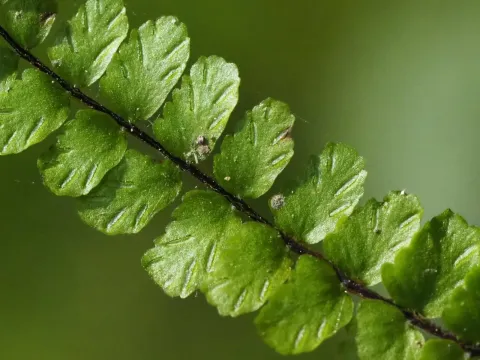
Asplenium tripteropus
Asplenium tripteropus
Asplenium tripteropus is a specialized ornamental plant belonging to the Aspleniaceae family. It is recognized by botanists and horticulturists for its delicate structure and specific ecological requirements, making it a prized specimen for temperate greenhouse cultivation.
What the section contains
Asplenium tripteropus
Originating from the forests of East Asia, this species thrives in sheltered, humid environments. In cultivation, it requires conditions that mimic its native habitat: consistent shade, high ambient humidity, and protection from direct sunlight which can easily scorch its sensitive foliage.
The botanical structure of this fern consists of characteristic fronds arising from a central rhizome. It is distinguished by its unique leaf morphology, which requires stable growing conditions to maintain its structural integrity and aesthetic appeal throughout the growth cycle.
Agronomic requirements include the use of a well-draining, nutrient-rich, and slightly acidic substrate. Regular monitoring of soil moisture is critical; while the plant enjoys high humidity, waterlogged soil can lead to rapid root decline, necessitating a precise irrigation strategy.
In terms of economic use, Asplenium tripteropus serves the luxury plant market and botanical research collections. Its value lies in its decorative foliage, making it a sought-after component for indoor plantscapes and controlled environment horticulture.
Primary plant health threats include fungal infections resulting from poor air circulation and excessive substrate moisture. Maintaining proper spacing and humidity levels is essential to prevent leaf spots and crown rot from compromising the plant's health.
Common greenhouse pests such as scale insects, mealybugs, and spider mites represent the most significant threat to the foliage. Integrated pest management strategies, focusing on biological controls or targeted application of organic insecticides, are recommended to preserve the quality of the plants.