
Asplenium tenerum
Asplenium tenerum
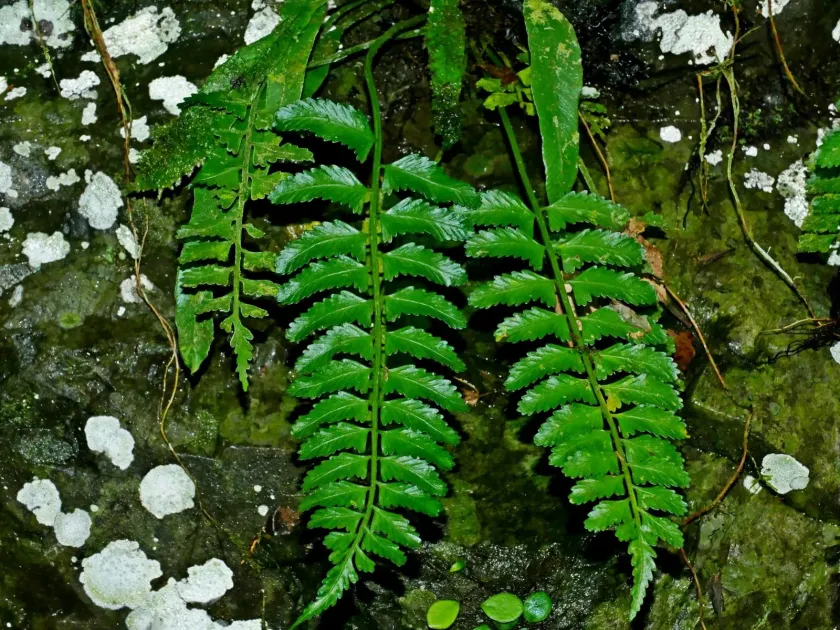
Description
Growing requirements
Asplenium tenerum is a delicate species of fern belonging to the Aspleniaceae family. It is native to tropical rainforest regions, where it typically grows as an epiphyte or lithophyte, finding nutrients in decaying organic matter and moss on rocks or tree trunks.
In cultivation, this fern requires a highly specific environment characterized by moderate temperatures ranging from 18°C to 24°C. It is sensitive to sudden temperature fluctuations and must be protected from cold drafts, especially during the winter season.
The substrate must be light, airy, and acidic. A recommended mixture includes peat, perlite, and pine bark. Good drainage is essential, as the root system of Asplenium tenerum is prone to suffocation if the soil remains waterlogged for extended periods.
High humidity is paramount for this species. It thrives best in environments with 65% humidity or higher. If indoor air is dry, especially during heating seasons, the use of a humidifier or pebble trays filled with water is highly encouraged for plant health.
Lighting should be filtered or indirect. As a floor-dweller in its natural habitat, it is adapted to deep or dappled shade; direct sunlight will cause rapid dehydration and bleaching of the fronds.
Main diseases and pests
The most common pests affecting this fern include mealybugs and spider mites. These pests thrive in dry environments and can quickly weaken the plant by feeding on the sap of the tender fronds.
Fungal pathogens often manifest as leaf spots or crown rot. These issues are almost exclusively associated with improper watering practices and poor air circulation around the base of the plant.
Mineral stress is another significant threat. Asplenium species are sensitive to salts found in tap water. Using distilled or rainwater is the best practice to prevent salt buildup that causes brown tips on the foliage.
Over-fertilization is a major cause of root damage in this species. It is recommended to use a balanced liquid fertilizer at half the suggested strength only during the active growing season, and to withhold feeding completely during winter.
Sanitation practices, such as removing dead or dying fronds with clean, sterilized shears, are vital to preventing the spread of spores and fungal infections within the plant canopy.