
Asplenium wilfordii
Asplenium wilfordii
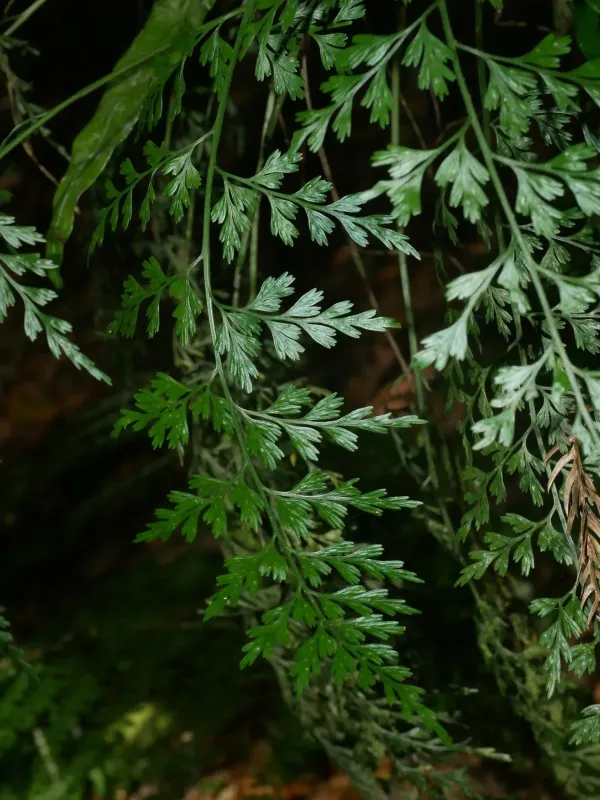
Description
Growing requirements
Asplenium wilfordii belongs to the Aspleniaceae family and is a distinctive perennial fern species native to East Asian forest ecosystems. It is recognized for its delicate fronds and specific growth habits that favor shaded, humid environments.
The climatic requirements for this fern are quite specific, focusing on maintaining stable temperatures between +18°C and +24°C. Exposure to direct sunlight must be strictly avoided, as the leaves are highly susceptible to scorching and wilting under intense radiation.
Soil management for Asplenium wilfordii requires a well-draining, airy substrate. A mix consisting of peat, leaf mold, and perlite is recommended to provide the necessary structure that allows roots to breathe while maintaining consistent moisture levels.
Watering is a critical aspect of the plant's agrotechnics. The substrate must be kept evenly moist but never waterlogged. Using lukewarm, soft water is essential to prevent mineral buildup and to protect the sensitive root system from chemical stress.
As a forest-floor species, it thrives in moderate humidity levels. Supplemental misting or the use of pebble trays filled with water can significantly enhance the plant's health, mimicking its native woodland habitat and promoting robust growth.
Main diseases and pests
The most common pests affecting Asplenium wilfordii in cultivation include scale insects and spider mites. These pests thrive in dry indoor air, necessitating proactive measures such as increasing ambient humidity and regular inspection of the frond undersides.
Fungal pathogens such as root rot frequently appear when drainage is insufficient or when the soil remains too wet for extended periods. Once root rot is established, it is challenging to remediate, often requiring total soil replacement and surgical removal of affected tissue.
Nutritional deficiencies may manifest as chlorosis or stunted growth, which can mimic early stages of disease. Balancing fertilization schedules with the plant's natural dormant periods is crucial for long-term survival and vitality.
Physical damage to the delicate fronds can serve as an entry point for opportunistic bacteria. Proper handling and positioning of the plant in a low-traffic area reduce the risk of structural damage and subsequent infection.
Maintaining a clean cultivation environment, including the sterilization of pots and tools, is the best strategy against potential outbreaks of pests and diseases. Careful observation remains the most effective form of plant defense.