
Asplenium scortechinii
Asplenium scortechinii
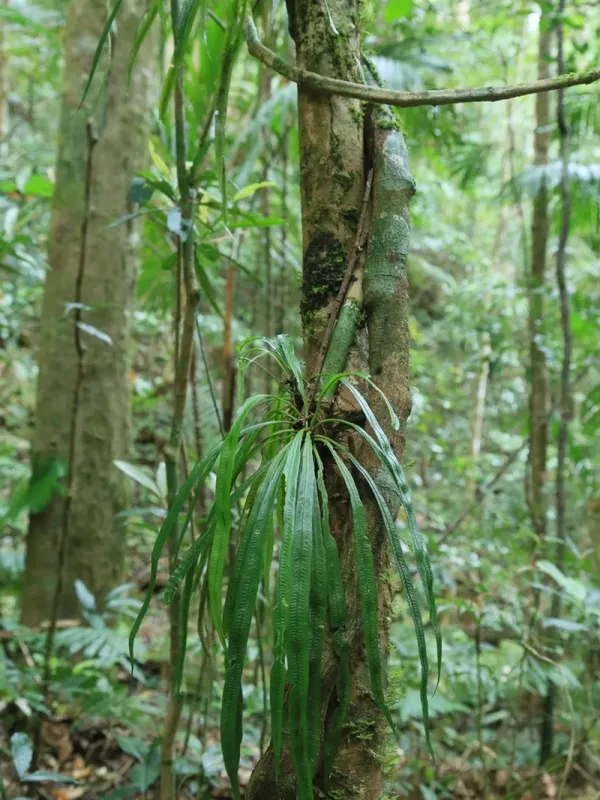
Description
Sowing dates
Asplenium scortechinii is a member of the Aspleniaceae family. This ornamental fern species is primarily propagated through vegetative division or spores under specialized greenhouse conditions.
The optimal time for spore germination is early spring, which allows the young plants sufficient time to establish a robust root system before the winter dormant season.
When starting from spores, use a sterile peat-based medium mixed with perlite. Maintain high humidity levels within a propagation chamber to ensure successful development.
Vegetative division is the preferred method for maintaining the desired characteristics of the parent plant. Divide the rhizomes carefully during the spring season.
Ensure that each division contains at least one healthy crown and a sufficient portion of the root mass to guarantee successful re-establishment after the division process.
Growing requirements
This fern species originates from tropical habitats, requiring consistently high humidity levels, ideally maintained between 60% and 80% to ensure healthy leaf growth.
The substrate must be light, airy, and well-draining. A mix consisting of pine bark, peat moss, and perlite provides the necessary structure for root respiration.
Provide bright, indirect lighting. Direct sunlight is highly detrimental to this plant, often leading to scorched fronds and irreversible tissue damage.
Maintain an ambient temperature range of 18–24 degrees Celsius. Avoid placing the plants near heating vents, as the resulting dry air can cause rapid dehydration.
Watering should be consistent but moderate. Always allow the top layer of the substrate to dry slightly between waterings to prevent root suffocation and fungal issues.
Main diseases and pests
The most common pests affecting Asplenium scortechinii are scale insects, which typically appear as small, brownish bumps on the stems or undersides of the fronds.
Spider mites are another major threat, particularly in environments with low humidity. They weaken the plant by feeding on cell sap, leading to stunted growth.
Fungal infections can occur if the foliage remains wet for extended periods, especially in environments with poor air circulation, leading to gray mold or spot diseases.
Control of these threats involves keeping the foliage clean, ensuring adequate ventilation, and applying appropriate biological or chemical controls when an infestation is detected.
Regular inspections are essential. Check the underside of leaves and the crown area frequently to detect early signs of pest activity or disease manifestation.