
Asplenium sarelii
Asplenium sarelii
Description
Growing requirements
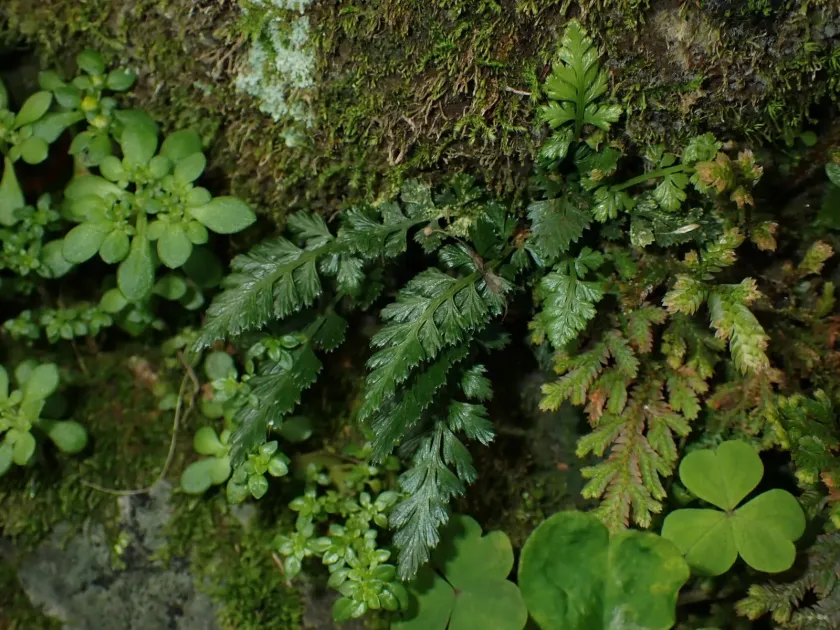
Asplenium sarelii is a perennial fern belonging to the family Aspleniaceae. It is fundamentally a lithophyte, biologically adapted to grow within rock crevices and along limestone or granite cliffs where it finds essential anchorage and limited substrate moisture.
The native distribution of this species is concentrated in East Asia, specifically within regions of China, Korea, and Japan. Its habitat preference includes shaded mountain areas where the ferns benefit from high atmospheric humidity and protection against excessive thermal fluctuations.
The morphological structure of the fern includes tough, leathery fronds that are well-adapted to the rocky environment. Reproductive structures are found in the form of linear sori on the underside of the fronds, protected by an indusium to ensure the maturation of spores.
For successful cultivation, the growing medium must be highly porous and inorganic. Gardeners often use mixtures of grit, lava rock, and minimal humus to replicate the natural conditions, ensuring that the roots remain aerated while providing consistent moisture levels.
While not a traditional agricultural crop, Asplenium sarelii serves a niche role in specialized horticulture. It is highly valued in rock gardens and terrarium projects where enthusiasts aim to replicate Asian mountain environments for aesthetic and botanical collection purposes.
Main diseases and pests
The primary physiological threats to the species involve fungal infections, specifically those triggered by poor ventilation and waterlogged growing media. These conditions lead to rapid crown rot and the degradation of the delicate rhizome structure.
Pest management focuses on controlling common glasshouse threats such as spider mites and scale insects. Because of the fern's slow growth habit, infestations can significantly weaken the plant, necessitating cautious and timely integrated pest control measures.