
Asplenium sagittatum
Asplenium sagittatum
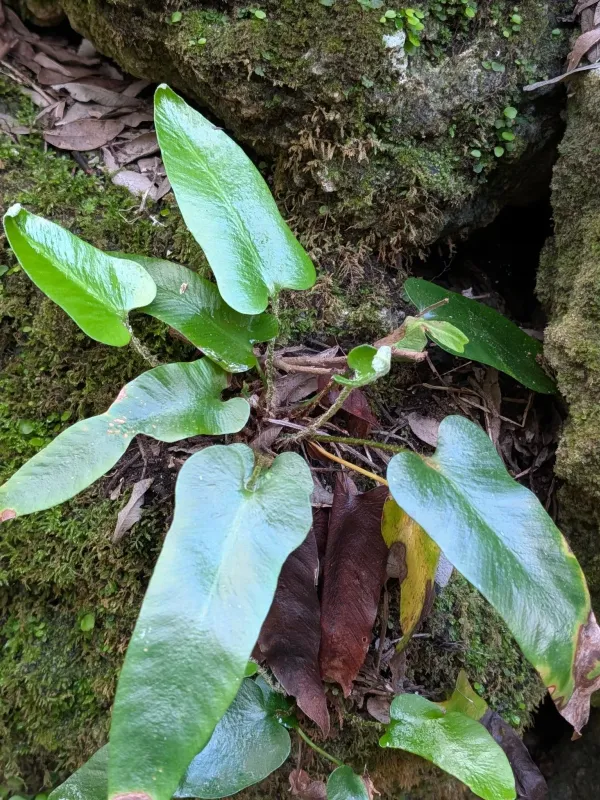
Description
Growing requirements
Asplenium sagittatum, a member of the Aspleniaceae family, is a distinct fern species characterized by its lanceolate to sagittate fronds. It is native to the Mediterranean basin, where it typically grows in humid, sheltered crevices.
Cultivation of this species requires a shaded environment as it is highly sensitive to intense solar radiation which scorches the foliage. The preferred temperature range is between 18C and 24C for optimal growth.
The soil should be a loose, well-draining substrate rich in organic matter. A pH level ranging from slightly acidic to neutral is ideal for nutrient absorption and root health.
Asplenium sagittatum demands high humidity levels. It is recommended to place the plant on a tray with pebbles and water or to utilize automatic misting systems during drier months.
Propagation is typically performed through the sowing of spores or by careful division of the rhizome, provided the division is done during the active growth season.
Main diseases and pests
Common pests affecting this fern include spider mites and scale insects. These pests often thrive in environments where air circulation is poor and humidity is inconsistently maintained.
Root rot is the most prevalent pathological threat, often resulting from overwatering or inadequate soil aeration, which promotes the growth of anaerobic fungi.
Mealybugs may infest the base of the fronds, leading to stunted growth and a general decline in the plant's aesthetic and biological vigor.
To prevent disease outbreaks, it is essential to ensure that leaves remain dry during evening hours to avoid bacterial and fungal spotting diseases.
Integrated pest management, including regular inspection of the underside of leaves and keeping the growing area clean, is the most effective approach for health maintenance.