
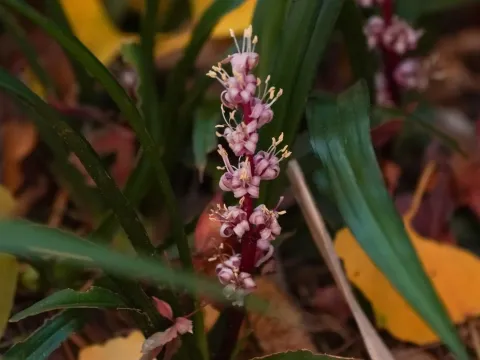
Reineckea
Reineckea
Reineckea belongs to the Asparagaceae family. It is a perennial herbaceous plant with creeping rhizomes, which naturally occurs in the forest regions of East Asia, particularly in Japan and China.
What the section contains

Reineckea
The culture prefers semi-shaded or shaded areas with moderate humidity. Direct sunlight can cause leaf scorch, so the optimal planting location is under the canopy of trees or on the northern side of buildings.
Soil requirements include a fertile, loose, and well-drained substrate. The plant does not tolerate waterlogging well, which can lead to root rot during the winter period.
Optimal climatic conditions for Reineckea are areas with mild winters, as the plant has moderate winter hardiness. In regions with harsh frosts, it requires mandatory cover with a layer of mulch, such as peat or fallen leaves.
Cultivation techniques involve regular watering during dry spells and loosening the soil around the clumps. Reineckea spreads actively via rhizomes, creating a dense mat, which makes it a popular groundcover plant.
The main threats to the health of Reineckea include fungal diseases that develop under high humidity and stagnant air. The most common problem is root rot.
Regarding pests, slugs and snails can cause the most damage by eating the tender leaves. To control them, it is recommended to use barrier protection methods or specialized molluscicide preparations.
Disease prevention includes maintaining optimal planting density to ensure natural air circulation. It is also important to avoid waterlogging the soil during the autumn and winter months.
In case of fungal infection, it is necessary to remove the damaged parts of the plant and treat it with broad-spectrum fungicides. A healthy plant, with proper care, shows high resistance to adverse environmental factors.
In general, Reineckea is considered a low-maintenance crop, provided the correct planting site is chosen and there is no critical moisture excess during the growing season.