
Pseudogaltonia clavata
Pseudogaltonia clavata
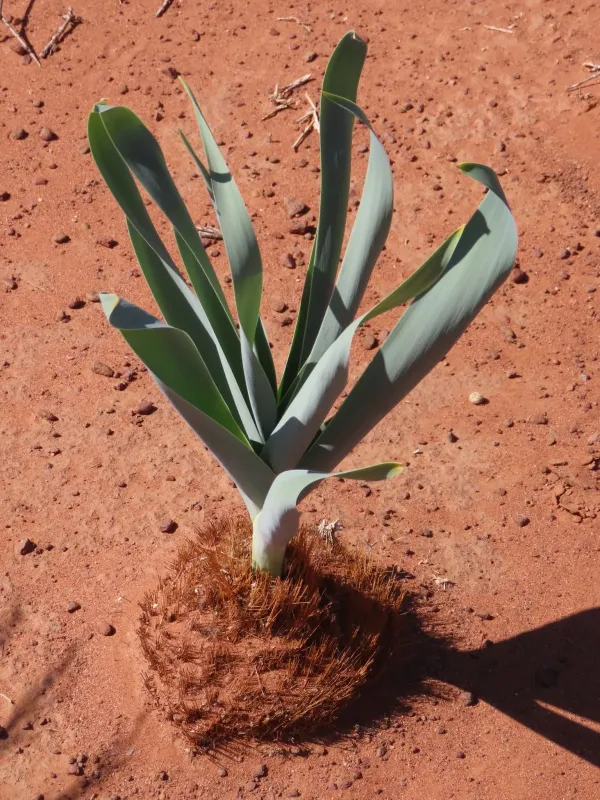
Description
Sowing dates
Planting of Pseudogaltonia clavata bulbs should be performed in spring, once the danger of frost has passed and soil temperatures consistently rise.
It is recommended to plant bulbs at a depth of 10 to 15 centimeters, depending on the size of the bulb and the texture of the soil substrate.
Ensure that the planting site is chosen with careful attention to solar exposure, as this species requires full sun to produce strong and healthy flowering stalks.
Proper spacing between plants is crucial, with a recommended gap of 25–30 centimeters to avoid competition for nutrients and maintain soil aeration.
For regions with harsh winters, bulbs must be lifted after the foliage dies back in autumn and stored in a frost-free, dry environment until the next season.
Growing requirements
Pseudogaltonia clavata belongs to the Asparagaceae family and originates from the arid regions of Southern Africa, reflecting its need for specific growing conditions.
The plant thrives in sandy, well-draining soil mixes that prevent moisture from accumulating around the bulb, which is highly susceptible to decay.
While the species is drought-tolerant, it requires moderate watering during its active growing cycle to support the development of its large inflorescences.
Soil pH should ideally be neutral to slightly alkaline, which matches the natural habitat conditions where these plants usually evolve and mature.
Avoid heavy clay soils, as they tend to retain too much moisture and create an anaerobic environment detrimental to the health of the root system.
Main diseases and pests
The most significant threat to Pseudogaltonia clavata is fungal infection, particularly Fusarium or soft rot, caused by excessive soil moisture and poor drainage.
Bulb mites can cause extensive damage during the storage period, feeding on the bulb scales and weakening the plant for the following growth cycle.
Aphids occasionally infest the flowering stalks, potentially transmitting viruses that can lead to leaf mottling and structural plant defects.
Effective management strategies include treating bulbs with systemic fungicides before storage and maintaining a clean, weed-free environment in the flower beds.
Regular inspection of the basal plate of the bulbs is necessary to detect early signs of decay and prevent the spread of pathogens to neighboring plants.