
Star of Bethlehem
Ornithogalum refractum
Description
Growing requirements
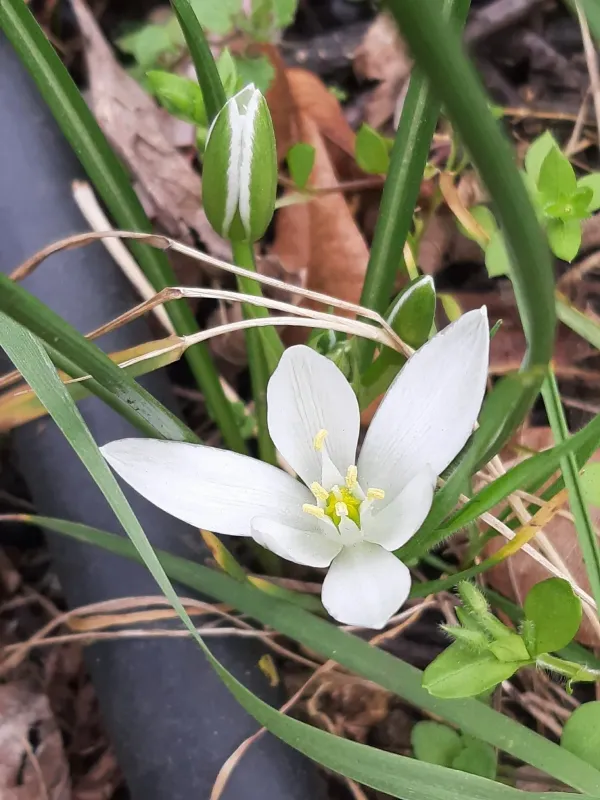
Ornithogalum refractum, commonly known as a species of Star of Bethlehem, is a perennial bulbous plant belonging to the Asparagaceae family. It is prized for its delicate white flowers that appear in early spring.
The plant originates from the rocky and steppe habitats of Southeastern Europe and the Caucasus. It thrives in open, sun-drenched locations where it can complete its growth cycle before the onset of summer heat and drought.
Soil requirements for this plant emphasize excellent drainage. It performs best in sandy or gravelly soil mixes that prevent moisture from accumulating around the bulb, which is crucial for preventing physiological disorders.
While the plant is highly resilient to cold, it demands a distinct period of summer dormancy. During this phase, it is advisable to keep the soil relatively dry, mimicking the conditions of its native habitat.
In ornamental horticulture, this species is effectively used in rock gardens, along paths, and in borders where low-growing, early-spring bloomers are desired to add visual interest after the winter season.
Main diseases and pests
The primary threats to Ornithogalum refractum are fungal diseases like basal rot, which frequently occur if the soil remains waterlogged. These pathogens attack the bulb, often leading to rapid decline.
Pest issues often involve mites or bulb flies that target weak or improperly planted bulbs. Maintenance practices, such as ensuring proper plant spacing, help reduce the incidence of pest outbreaks.
Proactive management includes inspecting the bulbs prior to planting for any signs of decay or damage. Only healthy, firm bulbs should be introduced to the growing area to avoid introducing pathogens.
Maintaining a weed-free environment is critical, as this species competes poorly with aggressive grasses and broadleaf weeds. Regular weeding prevents the build-up of humidity around the base of the plant.
If fungal infection is observed, the immediate removal of the affected bulb and surrounding soil is necessary to protect the remaining collection from further infestation.