
Star of Bethlehem
Ornithogalum narbonense
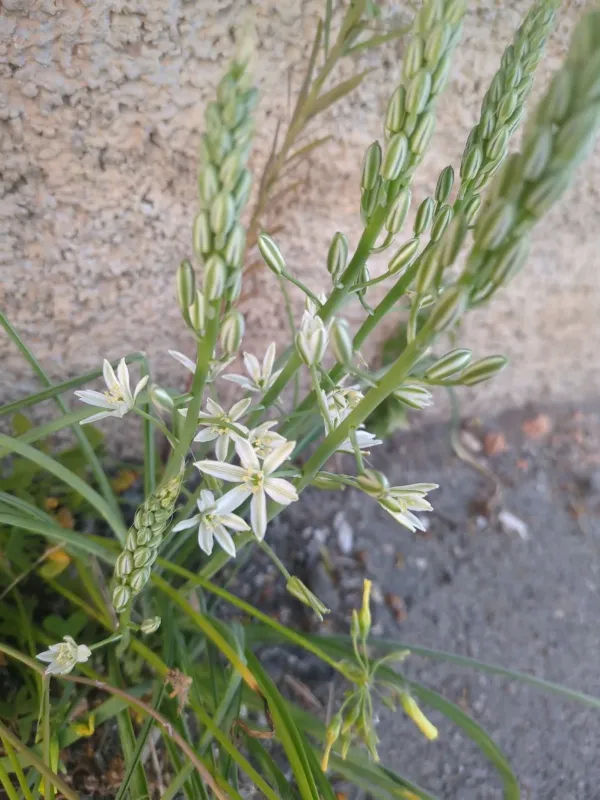
Description
Sowing dates
Sowing seeds of Ornithogalum narbonense is typically performed in autumn to allow for natural stratification, which is essential for successful germination.
When using containers, seeds should be placed in a cool environment, as fluctuating temperatures help break the dormancy of the embryos effectively.
Vegetative propagation via offsets is the most common and reliable method for gardeners to increase their planting stock year after year.
Bulb division should be undertaken when the plant enters its natural dormant phase in late summer after the foliage has died back completely.
Bulbs must be planted at a proper depth of roughly 10 cm, ensuring the soil is sufficiently loose to allow roots to establish quickly before the winter sets in.
Growing requirements
Ornithogalum narbonense belongs to the Asparagaceae family and thrives in open, sunny locations where it can receive full exposure to sunlight.
The ideal soil substrate should be well-drained, sandy, or loamy, preventing any water accumulation that could be fatal to the underground bulbs.
Native to the Mediterranean region, this species prefers warm climates but can adapt to temperate regions if given winter protection during frost periods.
Watering requirements are moderate; consistent moisture is needed during the spring growing season, followed by a dry period during summer dormancy.
Soil fertility can be enhanced by incorporating well-rotted organic matter or compost, which provides essential nutrients without risking chemical burn.
Main diseases and pests
Fungal pathogens such as basal rot represent the most significant threat, especially in soils that lack proper drainage or suffer from heavy compaction.
Leaf spots caused by moisture-loving fungi can appear during humid springs, reducing the aesthetic appeal and vigor of the plant during its bloom.
Root-feeding pests like bulb mites are a persistent concern, often damaging the bulb tissues and creating open wounds for secondary infections to thrive.
Integrated pest management should focus on planting only high-quality, disease-free bulbs and maintaining adequate spacing to promote air circulation.
Regular sanitation, such as removing debris and infected leaf matter, is a crucial practice for keeping the ornamental beds healthy and vibrant.