
Star of Bethlehem
Ornithogalum lanceolatum
Description
Growing requirements
Ornithogalum lanceolatum is a perennial bulbous plant belonging to the Asparagaceae family. Native to the Mediterranean region, including parts of Turkey and the Levant, it typically thrives in rocky outcrops and open Mediterranean scrublands.
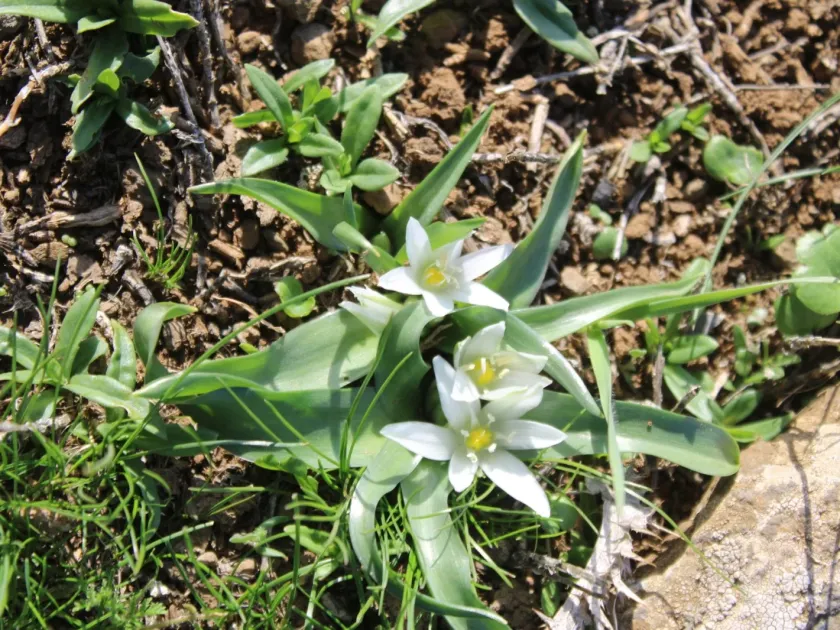
The plant is distinguished by its lanceolate leaves and white, star-shaped flowers that bloom in clusters. It has been recognized for both its ornamental potential in landscape architecture and its specific secondary metabolites, which are of interest in botanical research.
Successful cultivation requires soil with excellent drainage, as the bulbs are highly susceptible to rot in stagnant moisture. Sandy or gritty soil types with a neutral pH provide the best environment for healthy bulb development and plant vigor.
Climate requirements include exposure to full sun and a distinct seasonal cycle with a dry summer rest period. The plant is well-adapted to Mediterranean climates where it benefits from cool, moist springs followed by hot, arid summers.
Agronomic management involves minimal irrigation once the foliage begins to die back after flowering. Maintaining soil aeration through regular hoeing and providing adequate spatial isolation between individual bulbs helps in preventing fungal proliferation.
Main diseases and pests
The primary threats to Ornithogalum lanceolatum include soil-borne pathogens such as Fusarium and various Pythium species. These diseases are exacerbated by overwatering and high humidity, which can lead to the rapid decay of the bulb's structural integrity.
Common pests that affect the crop include bulb mites, which create microscopic wounds allowing pathogen entry, and slugs that feed on emerging green foliage. Integrated pest management, emphasizing early detection and the use of healthy, disease-free planting stock, is vital for crop success.