
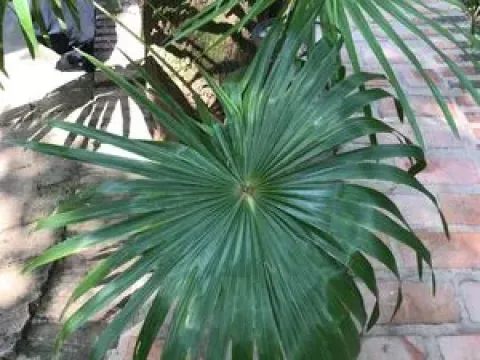
Thrinax
Thrinax
Propagation of Thrinax in cultivation is primarily achieved through generative methods using seeds. The seeds of this palm species are known for low germination rates, so pre-soaking in warm water for 24 to 48 hours is recommended to soften the hard outer seed coat.
What the section contains


Thrinax
The optimal time for sowing is during the spring when the daylight hours begin to increase significantly. The temperature for germination should be maintained between 25 and 28 degrees Celsius, as the seeds are extremely sensitive to cold conditions.
For the growing medium, a loose mixture of peat, sand, and leaf mold is used. Containers must be covered with glass or film to create a greenhouse effect, ensuring stable soil moisture without waterlogging the substrate.
Seedlings may emerge unevenly, with the process lasting from one to three months. It is crucial to ventilate the seed trays regularly to prevent the development of mold on the soil surface due to a lack of proper air circulation.
Pricking out the seedlings should be performed after the appearance of the second or third true leaf. Great care must be taken during the transplant process, as the Thrinax root system is delicate and prone to severe transplant shock if damaged.
Thrinax belongs to the Arecaceae family and is native to the tropical regions of the Caribbean and Florida. In cultivation, it prefers bright, indirect light; however, it requires protection from direct sunlight during midday hours to prevent leaf scorching.
This palm has specific soil requirements: the medium must be neutral or slightly acidic, with excellent drainage and aeration. An ideal substrate is a mix of sod, leaf mold, and coarse sand in equal proportions with the addition of charcoal.
Watering should be regular but moderate, allowing the top two to three centimeters of the substrate to dry out before the next application. During the winter, irrigation is reduced, especially if temperatures are lower, to prevent root rot.
The plant is heat-loving and does not tolerate drafts or sudden temperature fluctuations. The optimal temperature range for active growth is between 20 and 25 degrees Celsius, while winter temperatures should not fall below 15 degrees Celsius.
Humidity is a vital development factor. In environments with central heating, Thrinax requires regular misting or the use of humidifiers, as dry air often causes the tips of the leaf blades to dry out and turn brown.
The primary pests for Thrinax in indoor conditions include scale insects and spider mites, which reproduce rapidly in low-humidity environments. Preventive care involves regular inspection of the underside of the leaves and periodic cleaning.
Overwatering makes the plant susceptible to fungal root diseases, such as phytophthora or root rot. If signs of wilting appear, it is necessary to immediately adjust the irrigation regime and apply appropriate fungicides.
Leaf chlorosis is another potential issue, typically caused by a deficiency of micronutrients in the soil or the use of overly hard tap water. It is recommended to use filtered water at room temperature and apply balanced fertilizers.
Poor cultivation practices often lead to yellowing leaves. This condition may stem from inadequate lighting or an imbalanced fertilization schedule, which weakens the plant and makes it more vulnerable to secondary infections.
For pest management, systemic insecticides or acaricides are used. It is strictly necessary to follow the dosage instructions provided by the manufacturer to avoid chemical burns to the sensitive tissues of the palm.