
Schippia
Schippia
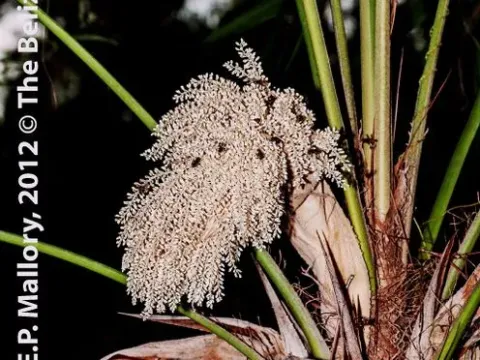
Schippia is a monotypic genus of flowering plants in the palm family, Arecaceae, containing only the species Schippia concolor. This rare palm is native to the tropical forests of Belize and Guatemala, where it thrives in the shady, humid environment of the understory.
What the section contains

Schippia
In terms of climate, the plant requires consistently warm temperatures throughout the year. It does not tolerate frost or cold drafts, making it strictly a greenhouse or indoor ornamental plant in temperate regions, requiring protection and steady ambient heat.
The soil requirements involve a well-draining, nutrient-rich substrate that mimics the forest floor. A mix containing organic matter such as peat or coco coir, blended with coarse perlite or sand, ensures the necessary balance between moisture retention and essential aeration.
Agricultural management of Schippia focuses on maintaining stable soil moisture. It is crucial to water the plant thoroughly when the top layer of the substrate begins to dry, ensuring the water drains freely to prevent the roots from sitting in stagnant conditions.
Botanically, this palm is characterized by its slender, solitary trunk and striking fan-shaped leaves. Its architectural form and the glaucous, silvery-green hue of the foliage make it a prized specimen for botanical collections and high-end horticultural displays.
The primary pests affecting this genus include spider mites and scale insects, which frequently thrive in indoor environments where air circulation and humidity are not properly managed.
Fungal infections of the roots and foliage are significant threats if drainage is poor or if the leaves remain wet for extended periods in environments with low light and stagnant air circulation.