
Trachycarpus takil
Trachycarpus takil
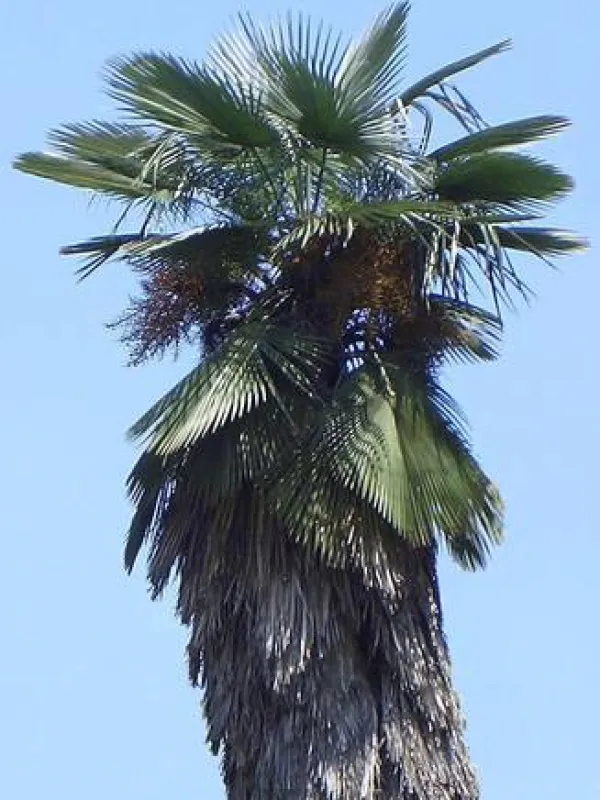
Description
Sowing dates
Trachycarpus takil is propagated exclusively by seeds. It is recommended to sow them as soon as possible after harvest, as the viability of the seeds declines significantly over time if stored improperly.
Before sowing, the seeds should undergo a cold stratification process to break dormancy. This is crucial for the uniform germination of the species, as it mimics the natural winter conditions of its high-altitude habitat.
The optimal germination temperature ranges from 22°C to 25°C. A well-draining, sterile sowing mix should be used to prevent damping-off, a common fungal issue that affects palm seedlings during the initial development stages.
Germination is notoriously slow and irregular, sometimes taking several months to complete. Growers must maintain a consistent moisture level in the substrate without making it waterlogged, which is a delicate balance.
As a member of the Arecaceae family, this species is noted for its high cold tolerance. Originating from the Himalayan mountains, it is one of the most robust palm species available for temperate climate gardening.
Growing requirements
This palm thrives in fertile, well-draining soil with a neutral to slightly acidic pH. Poor drainage is the most significant limiting factor, often leading to root rot and eventual death of the specimen.
Trachycarpus takil requires a sunny position, though young plants benefit from partial shade during the hottest part of the day. As they mature, they become increasingly sun-tolerant and wind-resistant.
Regular watering is essential during the active growing season. However, it is vital to allow the top layer of the soil to dry out between waterings to ensure the roots have access to adequate oxygen.
A balanced liquid fertilizer for palms, applied during the growing season, supports vigorous growth. Micronutrients like magnesium and iron are particularly important to prevent chlorosis and maintain deep green leaves.
In regions with harsh winters, protection is necessary. Mulching the base and providing a dry, ventilated cover for the apical meristem helps the plant survive extreme frost events effectively.
Main diseases and pests
Root rot is the most serious threat, typically caused by fungi such as Phytophthora or Pythium. These occur primarily in poorly drained soils where the plant remains saturated for extended periods.
Pests like spider mites and scale insects are common in arid environments or indoor settings. They feed on the sap of the palm fronds, causing yellowing and stunted growth if left untreated.
Mealybugs can also infest the tight spaces between leaf bases and the fibrous stem. Using systemic insecticides or horticultural oils is the standard approach to managing these recurring pest problems.
Leaf spot diseases, which present as necrotic patches, are usually a symptom of poor airflow and high humidity. Improving ventilation around the foliage is the primary cultural control method.
Monitoring the health of the spear leaf is critical, as this is the most active growing point. If the spear can be easily pulled out, it is a definitive sign of severe fungal rot, necessitating immediate intervention.