
Theophrastus palm
Phoenix theophrasti
Description
Growing requirements
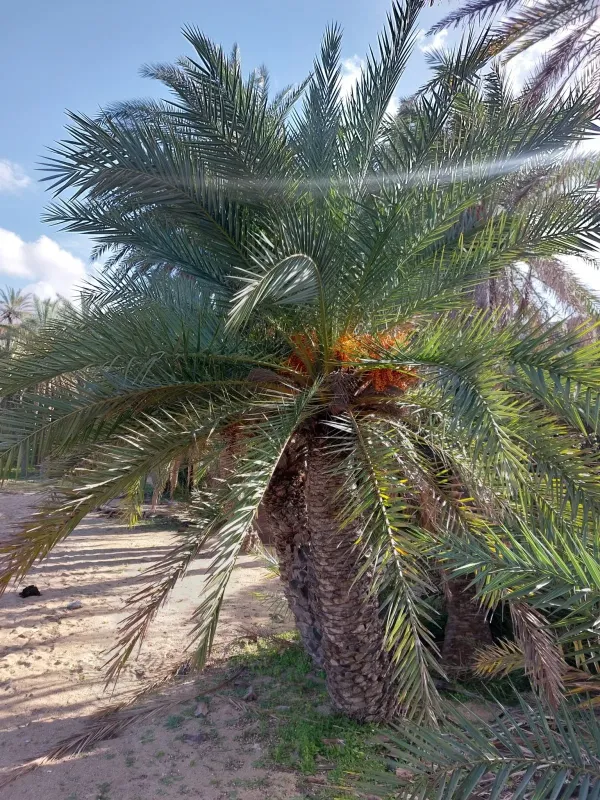
The Theophrastus palm (Phoenix theophrasti) is a distinctive species of the Arecaceae family. It is one of the few palm species native to Europe, primarily found in the Mediterranean region, including Crete and the coast of Turkey.
This species is highly resilient and adapted to harsh conditions, including rocky and saline soils. It thrives in full sunlight and requires significant heat to develop its characteristic stiff, feathery, grey-green foliage.
Cultivation requirements involve providing excellent drainage, as the roots are susceptible to rot if left in waterlogged conditions. The ideal substrate is a well-aerated, gritty soil mix that mimics the natural rocky terrain of its habitat.
Watering should be deep but infrequent once the plant is established. During the peak summer season, young plants benefit from regular hydration, while mature specimens can survive extended periods of drought.
Temperature management is critical in northern latitudes, as this palm prefers warm environments. While it possesses some cold hardiness, protecting the growth point from severe frost is essential for winter survival.
Yield
The fruit produced by Phoenix theophrasti is generally small and fibrous, with a limited amount of pulp. Because of these characteristics, they are not typically harvested for commercial food production compared to other date palm species.
The primary utility of this palm is ornamental. Its slow growth rate and architectural structure make it a popular choice for public gardens and landscaping projects that require a drought-tolerant, aesthetically pleasing feature.
The fibrous leaves are traditionally used for crafting, including weaving baskets, mats, and other domestic goods. This usage reflects the historical relationship between local populations and the available natural resources.
In ecological terms, the palm serves as an important source of nectar and shelter for local pollinators and birds. Its persistence in rugged areas makes it a valuable component of coastal biodiversity conservation.
Future agricultural research may explore the potential of using its genetic resilience to improve the drought tolerance of other commercially significant Phoenix species, contributing to sustainable forestry.
Main diseases and pests
The red palm weevil (Rhynchophorus ferrugineus) remains the most significant biological threat to this species. Preventive treatments and early detection are crucial to prevent the total loss of the plant.
Fungal infections, often manifested as leaf spots or stem rot, can occur if humidity levels remain too high or if the canopy has poor air circulation. Regular pruning of dead leaves improves plant health.
Scale insects and mealybugs can infest the fronds, weakening the plant by draining its sap. Manual removal or application of horticultural soaps is effective for managing minor infestations in garden settings.
Strong, windswept locations can cause mechanical damage to leaves. Providing shelter or windbreaks during the formative years of the palm helps maintain a symmetrical and healthy appearance.
Soil nutrient deficiency can result in chlorosis, indicated by yellowing leaves. Periodic application of balanced, slow-release fertilizers enriched with trace elements helps maintain vibrant coloration and vigor.