
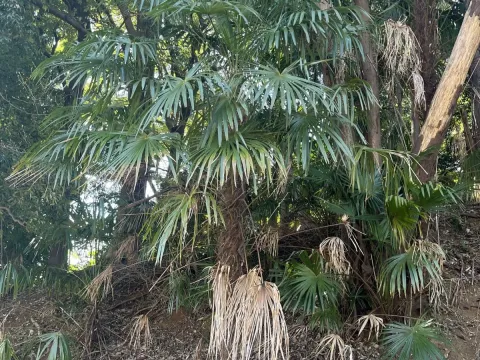
Trachycarpus
Trachycarpus
Trachycarpus is a genus of evergreen palms belonging to the Arecaceae family, known for its cold hardiness and striking fan-shaped foliage. These plants are native to the mountainous regions of Asia, specifically China, the Himalayas, and parts of Japan.
What the section contains

Trachycarpus
The culture thrives in well-drained, nutrient-rich soils that remain moist but never waterlogged. Establishing a proper drainage layer is essential, as stagnant water is the primary cause of root rot, which can prove fatal to the plant.
Climate requirements for Trachycarpus are relatively flexible, as these palms can withstand temperatures down to -10 degrees Celsius and even lower for short periods. They prefer sheltered positions with protection from harsh winds to maintain the integrity of their large fronds.
Agronomic practices involve routine fertilization during the active growing season, focusing on products specifically designed for palm species. Water requirements fluctuate based on seasonal temperatures, with increased irrigation needed during hot summer months.
Economically, Trachycarpus is widely utilized in landscaping and interior design to create tropical-themed aesthetics. Additionally, the fibers extracted from the trunk of the Trachycarpus fortunei species serve as a raw material for brushes, mats, and ropes.
Common pests include spider mites and mealybugs, which are particularly troublesome in dry, indoor environments or regions with low humidity. Monitoring the undersides of leaves regularly is a critical practice for early detection of these pests.
Fungal infections, such as leaf spot, are prevalent when moisture levels are consistently too high and ventilation is inadequate. Ensuring proper spacing and air circulation can significantly reduce the risk of such botanical ailments.
Root rot remains the most significant threat to the overall vitality of the palm, often stemming from poor soil composition or over-irrigation. Prevention relies heavily on providing a substrate that drains quickly and efficiently.
Winter damage is a localized concern in colder zones, particularly for the apical meristem or growing point. Wrapping the crown with protective covers during extreme cold spells is a common protective measure employed by experienced growers.
Sanitation practices, such as the removal of dead foliage, are vital not only for aesthetics but also to prevent the accumulation of pests and moisture-loving pathogens. When chemical intervention is necessary, targeted systemic pesticides should be applied according to instructions.