
Thrinax radiata
Thrinax radiata
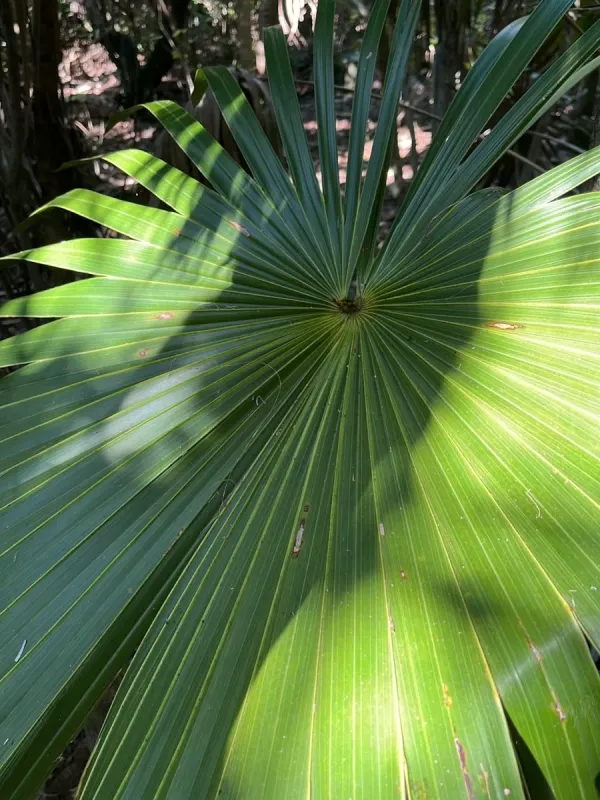
Description
Growing requirements
Thrinax radiata, commonly known as the Florida thatch palm, is an elegant species of fan palm belonging to the Arecaceae family. It is native to the Caribbean, the Florida Keys, and the Yucatan Peninsula, where it typically grows in rocky, calcareous, and sandy coastal soils.
This palm thrives in warm tropical environments with high humidity levels. While it is highly prized for its ornamental value, it is not cold-hardy, which restricts its outdoor cultivation to frost-free regions or controlled greenhouse conditions.
The cultivation of this palm requires a well-draining, slightly alkaline substrate. It is highly recommended to use a high-quality palm-specific potting mix that ensures proper aeration for the root system.
Light requirements for the Thrinax radiata are moderate to high, favoring bright, filtered sunlight. While mature specimens may tolerate some direct sun, young plants are sensitive and should be protected from intense mid-day heat to prevent leaf scorching.
Water management is critical for this species. It prefers a consistent moisture level but must not be allowed to sit in waterlogged soil. Regular misting of the fronds is essential, especially in indoor environments where air conditioning may reduce ambient humidity.
Main diseases and pests
The primary pests affecting this palm in indoor conditions are spider mites, which flourish in dry, warm air and can cause significant damage to the foliage.
Mealybugs are another common nuisance, often found in the leaf axils, which can be managed with periodic inspections and appropriate horticultural oils.
Root rot caused by Phytophthora or Pythium fungi is a serious threat triggered by poor drainage or overwatering. Once established, it is extremely difficult to treat.
Scale insects can also infest the palm, causing yellowing and weakening of the leaves. Manual removal combined with systemic treatments is usually required for control.
To ensure plant health, maintain good air circulation and follow a strict watering schedule that prevents soil compaction and moisture stagnation around the base.