
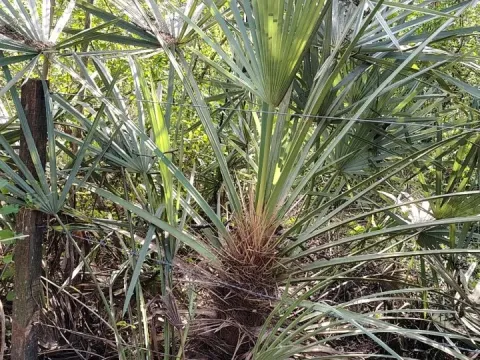
Trithrinax
Trithrinax
Trithrinax is a genus of fan palms belonging to the Arecaceae family. Native to South America, particularly regions of Argentina, Brazil, and Bolivia, these palms are well-adapted to various environments, ranging from grassy savannahs to semi-arid habitats, demonstrating significant resilience.
What the section contains


Trithrinax
These plants are characterized by their rigid, palmately divided leaves, which often feature a glaucous, bluish-green appearance. A notable botanical feature of many species, such as Trithrinax campestris, is the fibrous and spiny trunks that persist over time, providing the plant with a unique, rugged aesthetic structure.
The cultivation requirements are centered on providing ample sunlight and excellent drainage. Trithrinax species are known for their relative cold hardiness compared to other palms, being able to withstand light frost and cool temperatures, which makes them suitable for cultivation in specific temperate-subtropical climate zones.
Soil management for this crop focuses on avoiding excessive moisture retention. A well-aerated, sandy-based substrate is considered ideal. Proper irrigation practices are vital; the root system requires cycles of drying out to maintain health, as chronic moisture leads to root rot.
The economic and practical use of Trithrinax is primarily ornamental. They are highly sought after by landscape designers for their slow growth, compact nature, and architectural value. They serve as excellent focal points in gardens that require plants with low water needs and high visual impact.
The primary threats to Trithrinax health include fungal pathogens that emerge under high humidity and poor aeration. Root system decline is often the leading cause of plant mortality, necessitating strict attention to soil structure and moisture management throughout the year.
Common pests include spider mites and scale insects, which thrive in protected environments like greenhouses. Regular inspections of the foliage are essential. Infestations are typically managed using targeted horticultural oils or systemic insecticides to maintain the plant's health and appearance.