
Thrinax parviflora
Thrinax parviflora
Description
Growing requirements
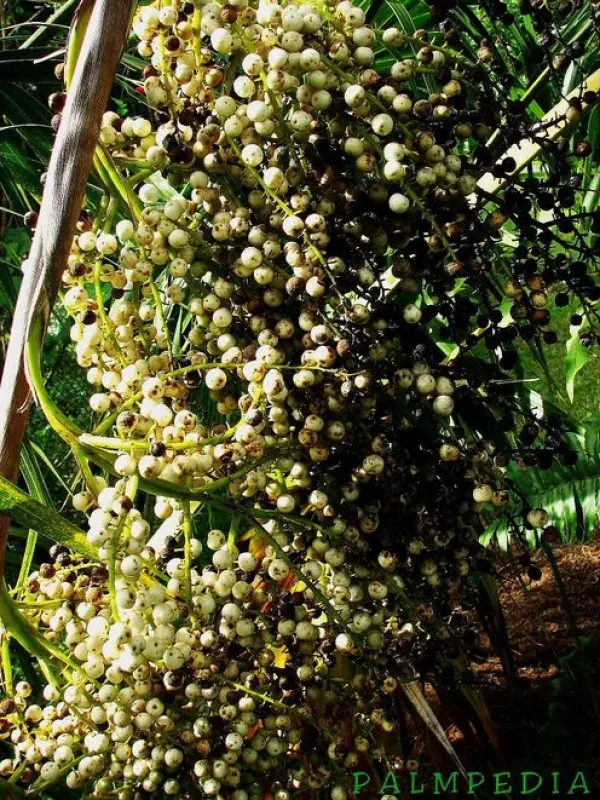
Thrinax parviflora is a species of flowering plant in the palm family, Arecaceae. Native to the Caribbean, particularly Jamaica and Cuba, it is a slow-growing, elegant fan palm often used in tropical landscaping and interior design for its distinctive, silver-green fronds and slender trunk.
This palm thrives in tropical climates where temperatures remain consistently high. It does not tolerate frost, and even brief exposure to cold can cause severe damage. The ideal temperature range for this species is between 22 and 30 degrees Celsius, requiring a controlled environment in temperate zones.
Soil requirements are quite specific for this palm. It demands a well-draining, porous substrate that mimics the limestone-rich soils of its native habitat. Poor drainage is the most common cause of root rot, so ensuring a high-quality drainage layer in pots or landscape sites is essential.
Bright, filtered light is the optimal condition for this species. While mature specimens may withstand brighter exposure, younger plants benefit from light shade to prevent leaf scorching. In indoor settings, placing the plant near an east or west-facing window is usually sufficient.
Humidity is a critical factor for the health of Thrinax parviflora. Since it is native to humid environments, it appreciates regular misting or the use of humidifiers. Watering should be done when the top layer of soil becomes dry to the touch, ensuring the moisture does not pool in the roots.
Yield
The primary economic value of Thrinax parviflora lies in its use as an ornamental plant. It is highly sought after by landscaping firms and residential gardeners for its ability to provide a clean, architectural look to gardens and luxury indoor spaces.
In traditional contexts, the foliage of this palm has been utilized for weaving purposes, including the production of hats and mats. While this does not constitute large-scale industrial agriculture, it maintains the plant's cultural and economic relevance in rural Caribbean regions.
Commercial nurseries produce this palm mainly as a container-grown ornamental. The business model relies on the production of healthy, aesthetic specimens, which are sold at a premium due to the slow growth rate of the species and the care required to reach maturity.
Propagation is exclusively achieved through seeds, which require specific conditions to germinate, including consistent heat and moisture. Growers often focus on optimizing seed germination rates to ensure a stable supply of young plants for the retail market.
Since the palm does not produce edible fruits, its productivity is measured by its ornamental quality and overall plant vigor. Providing the right nutrient balance and light conditions is key to ensuring a high-quality product that meets market expectations.
Main diseases and pests
Fungal pathogens are the most significant threat to this palm, particularly root and stem rot caused by overwatering. These diseases can progress quickly and are often difficult to reverse once they have established themselves in the root zone.
Insect pests such as spider mites and scale insects are frequently problematic, especially in dry indoor conditions. These pests feed on the plant's sap, leading to yellowing of the foliage and structural weakness if left untreated for extended periods.
Mealybugs can also infest the plant, causing damage to tender new growth. Integrated pest management, including regular inspection and the use of targeted horticultural oils or insecticides, is necessary to keep pest populations at bay.
Leaf chlorosis is another common issue, usually resulting from nutrient deficiencies, particularly iron or magnesium. Correcting the pH of the soil and providing balanced, palm-specific fertilizers can resolve these issues and restore leaf color.
Proper maintenance, including the timely removal of dead fronds and the use of sanitized pruning tools, is essential for prevention. Maintaining adequate airflow around the plant helps reduce the incidence of humidity-related fungal outbreaks.