
Reinhardtia gracilis
Reinhardtia gracilis
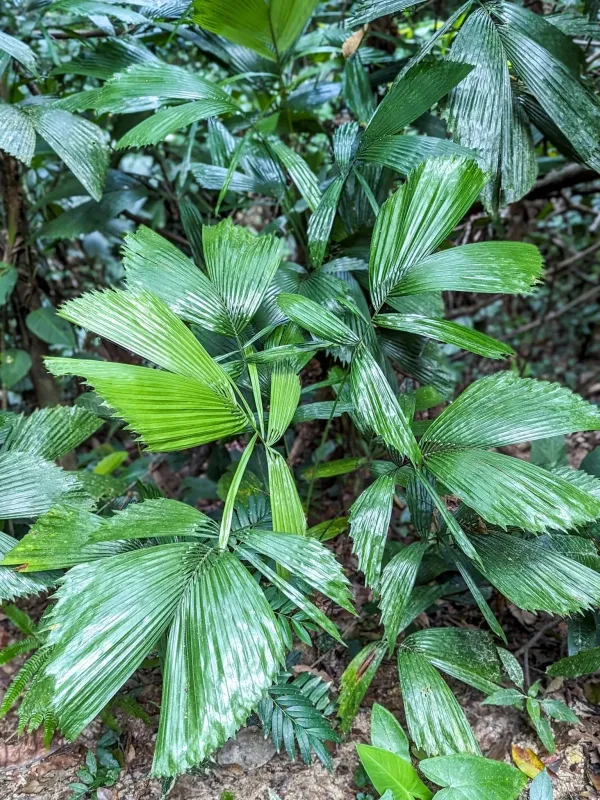
Description
Sowing dates
Propagating Reinhardtia gracilis from seeds requires careful temperature control and patience. Seeds should be sown in a sterile, well-draining substrate to prevent fungal contamination during the germination phase.
Optimal germination occurs at sustained temperatures of 25–28°C. Providing bottom heat via a heat mat significantly improves success rates, as cold soil can cause the seeds to remain dormant or rot.
Maintaining high humidity is crucial. Cover the seed trays with clear plastic or place them in a propagation chamber, ensuring ventilation is provided daily to prevent stagnant air conditions.
Once seedlings have developed a few true leaves, they should be carefully transplanted into small pots. Use a high-quality peat-based mix supplemented with perlite to ensure optimal aeration for the root system.
Young plants are sensitive to direct sun and temperature fluctuations. Acclimatizing them slowly to the ambient environment over several weeks is recommended to ensure strong, healthy growth.
Growing requirements
Reinhardtia gracilis is a member of the Arecaceae family, naturally occurring in the understory of tropical rainforests in Mexico and Central America. This heritage dictates its preference for low-light environments.
The plant thrives in stable, warm conditions, ideally between 20°C and 25°C. It is highly sensitive to cold air drafts and rapid temperature changes, which can lead to leaf yellowing and poor development.
High relative humidity, ideally above 60%, is essential for this species. In typical indoor conditions, frequent misting or the use of an ultrasonic humidifier is necessary to maintain leaf health.
A loose, organic-rich, and slightly acidic soil mixture is preferred. A blend of peat, leaf mold, and coarse sand provides the necessary structure and drainage capacity to keep the roots healthy.
Watering should be balanced: the soil should remain moist to the touch but never waterlogged. Always empty the saucer after watering to prevent water from sitting at the base of the pot.
Main diseases and pests
Spider mites are a common threat, especially in indoor environments where the air is dry. They typically congregate on the undersides of leaves, requiring regular inspection and moisture management to control.
Scale insects present as small, hard bumps on the foliage and stems. If detected, they must be removed manually with a soft brush dipped in alcohol, followed by an application of insecticidal soap.
Fungal leaf spots can occur when air circulation is poor or when water is left on the foliage for too long. Improving ventilation and watering the soil directly helps mitigate this risk.
Root rot is the most common cause of decline, triggered by overwatering or compacted soil that lacks drainage. If the plant shows yellowing leaves and a foul smell from the soil, immediate repotting is necessary.
- Monitor for early pest infestation symptoms.
- Ensure a layer of expanded clay at the bottom of the pot.
- Keep humidity high and avoid dry heat sources.