
Reinhardtia latisecta
Reinhardtia latisecta
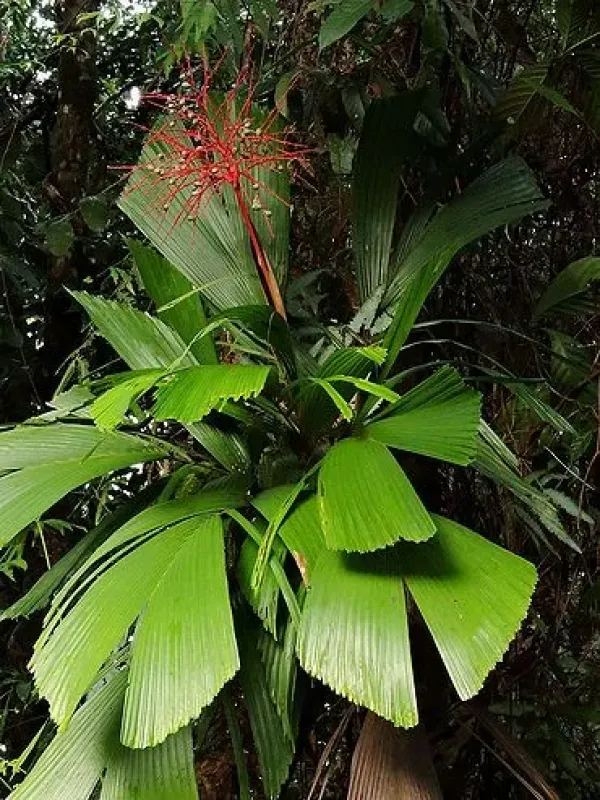
Description
Growing requirements
Reinhardtia latisecta is a decorative species belonging to the Arecaceae family, originating from the understory of tropical forests in Central America. This palm is highly valued in ornamental horticulture for its elegant leaves and ability to thrive in low-light environments typical of indoor habitats.
The plant requires a stable, warm climate with temperatures consistently between 20°C and 25°C. Exposure to cold drafts or temperatures dropping significantly below 18°C can lead to physiological damage and stunted growth of the plant.
High humidity is essential for the healthy development of this palm. Ideally, humidity levels should stay around 60–75%. In residential or office settings, using pebble trays with water or mechanical humidifiers is recommended to keep the foliage vibrant and free from brown, crispy edges.
The soil substrate must be well-draining, rich in organic matter, and slightly acidic. A mix consisting of peat, leaf mold, and perlite or coarse sand provides the necessary structure to prevent compaction and ensures that the root system has sufficient aeration.
Regular but cautious watering is required: the soil should be kept uniformly moist but never waterlogged. Always empty the drainage tray shortly after watering to prevent root rot, which is the most common cause of mortality in this species under cultivation.
Main diseases and pests
Pests that commonly infest this palm include spider mites and mealybugs, which thrive in indoor environments with dry air. Monitoring the undersides of the leaves periodically is a necessary practice to catch infestations early.
Pathogenic threats include various fungal infections, such as root rot and leaf spot, which often result from poor soil drainage and stagnant air. Maintaining good hygiene by removing dead leaves and avoiding over-watering are key strategies to prevent these diseases.