
Wine palm
Pseudophoenix vinifera
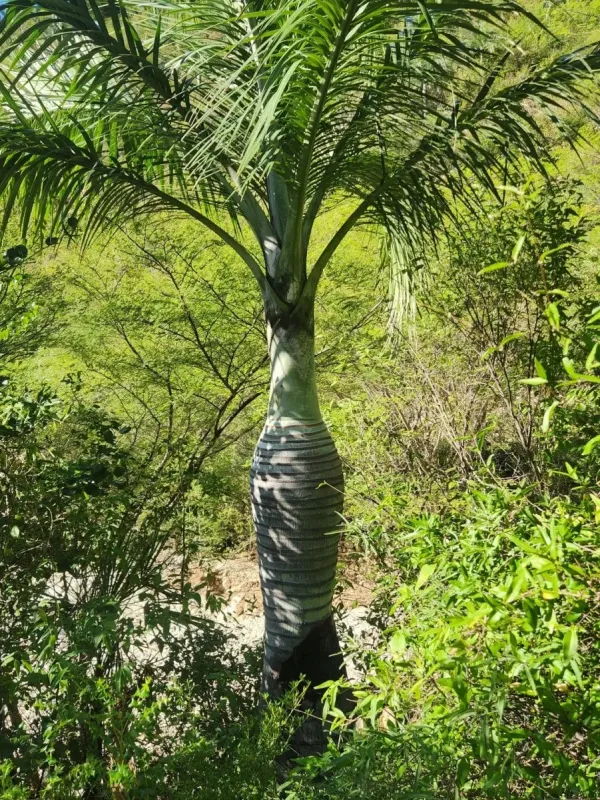
Description
Sowing dates
Seeds of the Wine Palm (Pseudophoenix vinifera) require precise conditions for germination as the species is highly sensitive to thermal fluctuations. Sowing should be carried out in a loose, sterile substrate with excellent drainage to prevent embryo rot.
The optimal temperature for sprouting is between 28–32°C. Seeds germinate slowly and unevenly, so it is necessary to maintain constant soil moisture without waterlogging for several months.
A crucial factor in sowing is using fresh seed material, as the viability of this species declines rapidly when stored for extended periods outside the fruit.
After germination, young plants require intense light, but they should be shielded from direct midday rays to prevent leaf scorching.
Transplanting young palms must be done with extreme care, as the root system of Pseudophoenix is prone to transplant shock, which can lead to prolonged growth stasis.
Growing requirements
The Wine Palm is a member of the Arecaceae family and is endemic to the island of Hispaniola. In its natural habitat, it thrives in dry tropical forests, preferring limestone soils with a high pH level.
The crop requires bright, full sun exposure. In conditions lacking sufficient direct light, the palm becomes leggy, loses its decorative appeal, and becomes more susceptible to fungal infections.
A critical factor for development is efficient drainage. Waterlogging in the root zone is lethal to this species, as it is evolutionarily adapted to well-aerated, rocky, or sandy substrates.
The temperature range for successful growth is limited to tropical and subtropical zones. The plant does not tolerate frost and requires protection from cold, dessicating winds.
During the active growing season, the Wine Palm requires regular but moderate watering, whereas, in winter, irrigation should be reduced, allowing the top layer of soil to dry out between waterings.
Main diseases and pests
The primary threat to this culture is root rot, which occurs when irrigation regimes are violated or when overly dense, non-draining substrates are utilized.
Leaves may be infested by scale insects and mealybugs, which extract cell sap, thereby weakening the plant's immune system and facilitating the growth of sooty mold.
In conditions of poor ventilation and high humidity, the development of leaf spots caused by pathogenic fungi is common on foliage.
Pests frequently target weakened specimens kept in low-light conditions or subjected to inconsistent temperature regimes during the winter months.
Disease prevention consists of adhering to strict agricultural practices, regular inspection of young foliage, and timely application of insecticides at the first signs of infestation.