
Oncosperma
Oncosperma
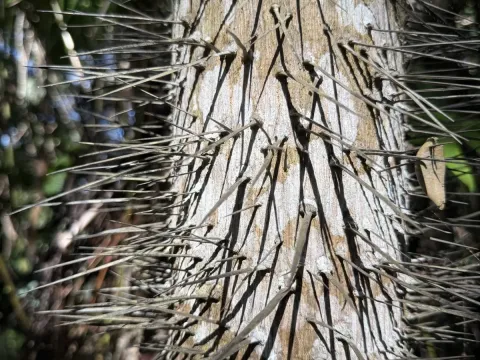
Oncosperma is a genus of flowering plants in the Arecaceae family, native to tropical regions of Southeast Asia and islands in the Indian and Pacific Oceans. These palms are distinguished by their clusters of trunks, often armed with long, black spines, providing a natural defense mechanism against herbivores.
What the section contains


Oncosperma
Cultivation of Oncosperma requires a true tropical climate where temperatures remain consistent throughout the year. The plant thrives in environments with high humidity and significant annual rainfall. It is intolerant to frost and cold winds, which makes commercial outdoor cultivation impossible in temperate zones.
Soil requirements are centered on excellent drainage and high organic content. While the palm can adapt to various soil types, it performs best in loose, sandy-loam soils that allow for rapid water infiltration. Preventing waterlogging is the most critical aspect of the initial site preparation.
Botanically, these palms are known for their height, reaching up to 20 meters, and their beautiful feathery fronds. They play a vital role in local ecosystems by providing habitats for various bird and insect species. In cultivation, they are valued for both their ornamental appearance and their functional utility.
The economic use of Oncosperma is significant in traditional Southeast Asian construction. Its wood, known for being incredibly hard and durable against moisture and pests, is highly valued for building flooring, railings, and water-resistant structures. Additionally, some parts of the plant are harvested for local culinary purposes.
The primary biological threats to Oncosperma include various fungal pathogens that thrive in high-humidity environments. Root rot is a common issue if the planting site does not have adequate drainage, often leading to rapid decline and death of mature specimens.
Insect pests pose a constant threat to the structural integrity of the trunks. The red palm weevil is among the most destructive, as its larvae bore deep into the plant tissues. Regular inspections of the canopy and the trunk base are essential to detect early stages of infestation.
Management of these threats involves a strict sanitation regime, including the prompt removal and disposal of infected plant material. Using systematic insecticides may be necessary in commercial settings to prevent widespread damage from wood-boring insects.
Environmental stress, such as prolonged waterlogging or soil nutrient deficiencies, can significantly lower the palm's resistance to secondary infections. Maintaining soil health through proper fertilization programs is essential to support the tree's natural defense systems.
In modern plantations, integrated pest management (IPM) strategies, which combine biological controls with careful chemical application, are increasingly used to protect these palms while minimizing the environmental footprint of agricultural activities.