
Orania
Orania
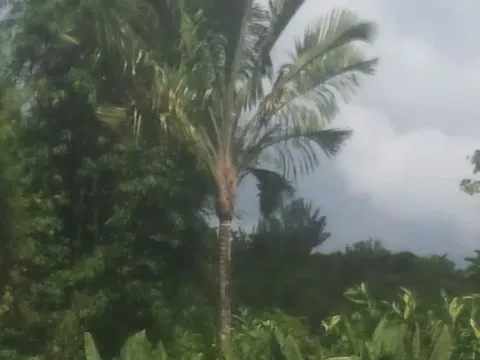
Orania is a genus of flowering plants belonging to the Arecaceae (palm) family, native to the tropical regions of Southeast Asia. These palms are characterized by their tall, slender trunks and large, pinnate leaves, which are typical for tropical forest vegetation. Cultivation of Orania requires a deep understanding of its natural lifecycle within the rainforest ecosystems.
What the section contains


Orania
The propagation process begins with the germination of seeds, which must be fresh to ensure high viability. Seeds are typically sown in a porous, well-draining substrate that retains moderate moisture. A consistent ambient temperature of 25 to 30 degrees Celsius is essential to break seed dormancy and encourage rooting.
During the nursery stage, seedlings are kept under filtered sunlight to mimic the natural forest floor conditions. Careful monitoring for humidity levels is required, as young plants are susceptible to both desiccation and fungal damping-off. The transition from seed tray to individual containers should be done delicately to avoid root damage.
Orania cultivation on a larger scale is strictly confined to tropical or sub-tropical zones without the threat of frost. In cooler climates, these palms must be kept in climate-controlled glasshouses. The growth rate is generally slow, making long-term management and patience key factors in successful cultivation.
When planning for plantation or nursery establishment, seed quality should be the primary concern. Sourcing seeds from disease-free, mature palms ensures that the resulting population will have better vigor and genetic resilience for future growth.
Orania palms are strictly tropical plants that thrive in high-humidity environments with ample rainfall. They require a frost-free climate, as any exposure to cold temperatures can lead to cellular damage and eventual plant mortality. The ideal range is between 24 and 30 degrees Celsius year-round.
The soil profile is critical for this species; it demands fertile, organic-rich soil that also provides excellent drainage. Because Orania cannot tolerate standing water, planting on slopes or in soil amended with coarse organic matter and perlite is recommended to prevent root rot and ensure proper oxygenation.
Regarding solar exposure, while juveniles prefer partial shade, mature Orania palms require full sun to reach their full physiological potential. Adequate light exposure is necessary to support the production of large, healthy fronds and to maintain the structural integrity of the main trunk.
Water management is the most critical aspect of maintenance. The root zone must be kept consistently moist but never waterlogged. During dry spells, supplemental irrigation or the use of automated misting systems can help maintain the required moisture levels in the surrounding micro-environment.
Fertilization should be balanced, focusing on potassium and magnesium, which are essential for palm health. A slow-release fertilizer applied during the active growing season will support steady development and improve the plant's natural resistance to environmental stress factors.
The most significant pathological threats to Orania include various fungal diseases that target the root system and the apical bud. Bud rot is particularly lethal and can destroy a healthy palm in a short period if humidity is too high and air circulation is insufficient within the canopy.
Insect pests, such as the palm weevil, pose a major threat to these trees. These pests burrow into the trunk, compromising the structural strength of the palm and allowing entry for opportunistic bacteria and fungal spores that cause secondary infections throughout the internal tissue.
Integrated Pest Management (IPM) is the most effective strategy for controlling these threats. This includes the regular monitoring of trunks for entry holes, the use of biological control agents, and the selective application of insecticides to prevent massive infestations that could decimate a plantation.
Cultural practices, such as the sanitary removal of dead or decaying fronds, help reduce the prevalence of pathogens. By keeping the growing area clean and avoiding physical damage to the trunk during maintenance, the vulnerability of the palm to external biological threats is significantly reduced.
In addition to pests, nutrient deficiencies can mimic disease symptoms. Regular soil testing and leaf tissue analysis allow agronomists to adjust the fertilization program, ensuring that the palm maintains the vigor needed to naturally fend off common environmental pests and minor disease outbreaks.
Harvesting products from Orania species is typically done with a focus on their various utility, such as fruit or structural fibers. Since these palms reach maturity after several years, the timing of the harvest depends on the specific plant part being utilized and the desired level of ripeness for the seeds or fruit.
The harvest must be conducted manually to prevent damage to the palm's crown. Specialized equipment, including climbing gear or long-reach poles, is employed to reach the fruit clusters located at the top of the trunk, ensuring that the palm remains alive and productive for subsequent cycles.
After collection, harvested materials should be handled carefully to preserve their quality. If the goal is seed collection, the fruit must be processed immediately to separate the pulp from the hard-coated seeds, as fermentation can lower the germination rate of the seeds stored inside.
In cases where fibers or trunks are harvested for local construction or craft, it is essential to follow sustainable practices. Selective harvesting ensures that the population of Orania remains stable and that individual palm specimens have sufficient recovery time to produce new growth.
Safety is a priority during the harvest process. Given the height of many Orania specimens, laborers must be trained in climbing techniques and use proper harness systems. Regular maintenance of the harvesting equipment ensures both the quality of the raw material and the safety of the workforce.