
Pelagodoxa henryana
Pelagodoxa henryana
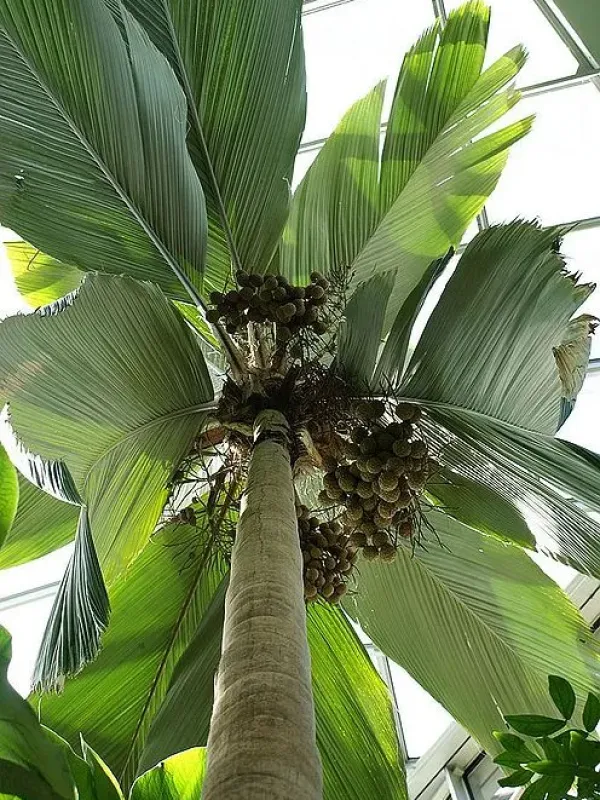
Description
Growing requirements
Pelagodoxa henryana is a rare species of palm in the family Arecaceae, native to the Marquesas Islands. It is highly regarded by botanists and collectors for its distinctive, large, and undivided leaves that differentiate it from other common palm types.
The cultivation of this plant requires a strict tropical climate. It thrives in high-humidity environments with consistent temperatures, ideally ranging between 22°C and 28°C. It cannot withstand frost or significant temperature drops, which can cause irreparable damage.
Soil requirements are quite specific: the substrate must be deep, well-draining, and rich in organic matter. As an understory plant in its natural habitat, it prefers soil that remains moist but never waterlogged to ensure the health of its sensitive root system.
Lighting is a crucial factor in the successful management of Pelagodoxa henryana. It needs bright, filtered light and should never be exposed to intense direct sun, which can easily scorch its large, elegant foliage.
While its primary use is ornamental within specialized botanical gardens and private tropical collections, it remains a challenging species to maintain. Its slow growth rate and sensitivity to environmental changes make it a specialty crop for expert growers.
Main diseases and pests
The most significant threat to Pelagodoxa henryana is fungal decay, often triggered by poor drainage or excessive soil moisture. Root rot is a common issue that, if untreated, can quickly lead to the decline of the palm.
Pests such as scale insects and spider mites are frequent adversaries for this palm in protected cultivation. These pests typically infest the leaves, sapping the plant's energy and causing stunted growth or structural deformity.
Proactive management includes regular monitoring of the foliage and ensuring optimal airflow around the plant. If pest infestation occurs, mild horticultural oils or soaps are preferred over harsh chemicals to avoid harming the plant's sensitive tissues.
Nutrient deficiency is another underlying threat, as this palm requires specific macro and micronutrient balances to maintain its immunity. A lack of proper fertilization often manifests as chlorosis or brittle, weak leaf structures.
Finally, given the restricted natural population of Pelagodoxa henryana, protecting the species from environmental degradation and disease spread is of high botanical importance. Proper biosecurity and controlled propagation are essential for its continued survival.