
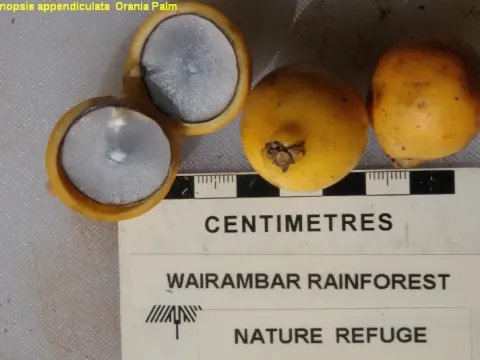
Oraniopsis
Oraniopsis
Oraniopsis (Oraniopsis appendiculata) is a distinct genus within the Arecaceae family. This monotypic palm is native to the wet tropical forests of Queensland, Australia, making it a highly specialized plant in terms of cultivation.
What the section contains

Oraniopsis
The culture requires a humid environment with protection from direct sunlight, particularly during the early stages of development. In professional cultivation, shade structures are essential to prevent leaf scorching and maintain plant vitality.
Soil requirements dictate the use of a well-draining substrate rich in organic matter. Proper aeration is crucial for root health, as stagnant water is a primary cause of decline in these palms, which are adapted to well-drained forest soils.
Growth rates for Oraniopsis are characteristically slow, necessitating careful management and consistent environmental control. Stability in temperature is key, as these plants do not adapt well to drastic fluctuations in their microclimate.
Its primary use is in luxury landscaping and botanical collections. Being a rare specimen, it is not grown for agricultural produce but is highly prized for its aesthetic form and pinnate foliage, which adds structural beauty to tropical gardens.
Fungal pathogens represent the most significant threat to Oraniopsis, especially when the plant is kept in conditions of excessive soil moisture. Poor air circulation often exacerbates the development of root and leaf rot.
Common pests include scale insects and mealybugs, which tend to hide in the axils of the fronds. Regular inspection is necessary to manage these populations before they cause significant damage to the plant's health.
Spider mites can become a major nuisance in dry indoor environments. Maintaining proper humidity levels is the most effective preventative measure against these microscopic pests, which thrive in stagnant, dry air.
Nutrient deficiencies, specifically of potassium and magnesium, can occur if a specialized palm fertilizer program is not implemented. Symptoms include yellowing or browning of the older leaves, signaling a need for corrective feeding.
Integrated pest management strategies should be employed to ensure the longevity of the plant. Using targeted systemic insecticides and fungicides, when necessary, allows for effective control while minimizing stress to this slow-growing species.