
Orania regalis
Orania regalis
Description
Growing requirements
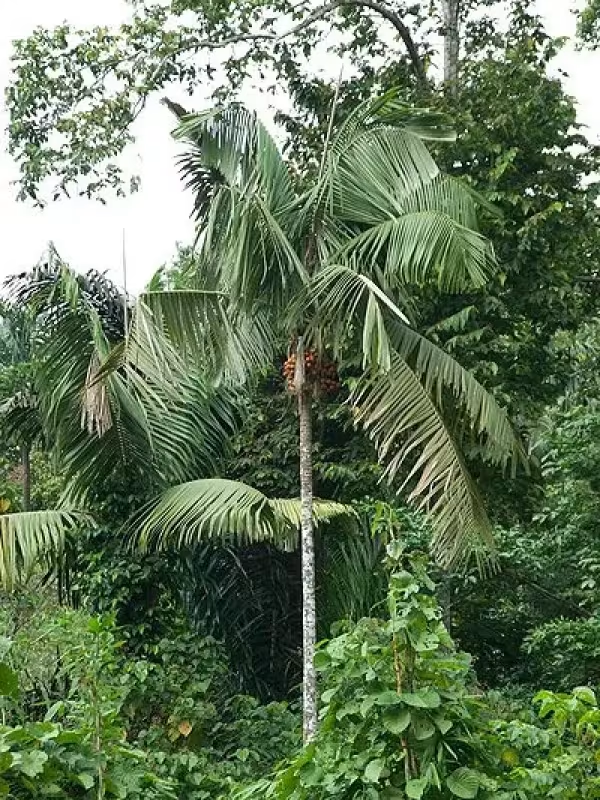
Orania regalis is a striking palm species belonging to the Arecaceae family. It is endemic to the island of Madagascar, where it thrives in the unique microclimates of tropical rainforests. Botanically, it is classified as a solitary-trunked palm, known for its significant height and graceful, arching fronds.
The climatic requirements for Orania regalis are strictly tropical, demanding high humidity and consistent temperatures throughout the year. It does not tolerate frost or cold drafts, which limits its outdoor cultivation to tropical regions. In temperate zones, it must be grown in specialized conservatories where climate control is strictly maintained.
The soil profile for this palm must be rich in organic matter and possess excellent drainage properties. It flourishes in soils that mimic the forest floor of its native environment, ideally a mix of leaf mold, coconut coir, and sand. Maintaining an airy root zone is essential to prevent hypoxia, which the species is highly sensitive to.
Agricultural management involves a consistent watering regime that keeps the soil moist but never waterlogged. Regular fertilization with a slow-release palm fertilizer, rich in magnesium and iron, supports its slow but steady growth rate. Proper light management is also crucial; it prefers bright, filtered sunlight to avoid leaf scorch.
The primary use of Orania regalis is in ornamental and botanical horticulture. Due to its rarity and specific aesthetic appeal, it is a prized specimen for botanical gardens and private tropical landscape projects. Its presence in cultivation serves as an important repository for preserving the genetic diversity of Madagascar's unique palm species.
Main diseases and pests
Common pests affecting Orania regalis include palm weevils, mealybugs, and spider mites. These pests can cause significant damage to the fronds and the apical meristem, so regular monitoring and the use of horticultural oils or targeted pesticides are recommended.
Fungal infections, such as Phytophthora root rot, pose a major threat if the plant is kept in waterlogged conditions. Proper soil aeration and spacing between plants are the most effective preventive measures to ensure the health and longevity of the specimen.