
Orania sibuyanensis
Orania sibuyanensis
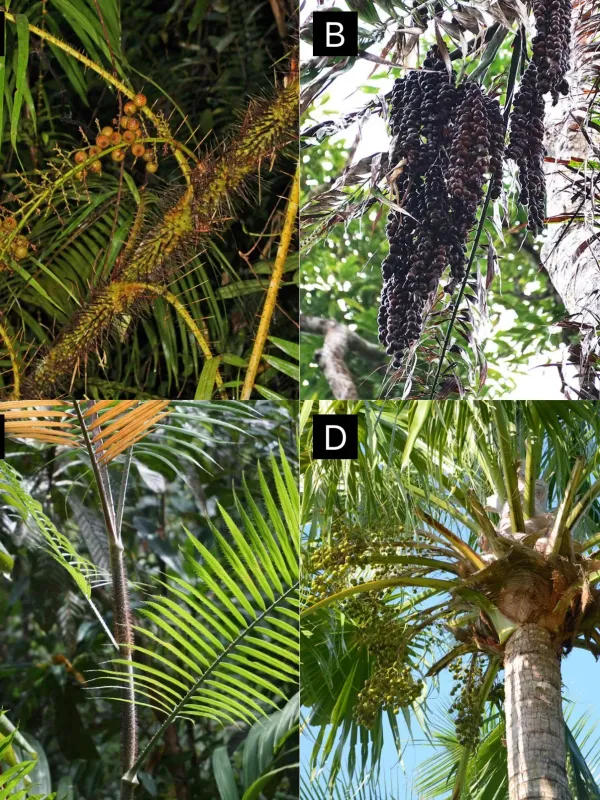
Description
Growing requirements
Orania sibuyanensis is a distinct palm species within the Arecaceae family. It is endemic to the Philippines, specifically native to the Sibuyan Island, where it thrives in the lush, humid environments of primary tropical forests.
The cultivation of this palm requires high levels of humidity and stable tropical temperatures. It does not tolerate frost or significant temperature fluctuations, making it suitable mainly for greenhouse environments in temperate climates.
Soil requirements for Orania sibuyanensis include a well-draining, humus-rich substrate. It is essential to maintain a balance of moisture in the soil, ensuring that the root system is never waterlogged, which can lead to rapid decay.
Regarding light, this palm prefers filtered or dappled sunlight. Intense, direct sun exposure can scorch the fronds, as the plant is naturally adapted to grow under the canopy layer of the forest where light is significantly diffused.
In terms of economic usage, this species is primarily valued by botanists and collectors. Its rarity makes it a prized specimen for botanical gardens, while its role in local ecosystems remains a subject of ongoing conservation research.
Main diseases and pests
The primary threats to Orania sibuyanensis in cultivation involve fungal pathogens, particularly those triggered by poor air circulation and excessive dampness. Root rot is the most frequent cause of mortality in young specimens.
Insect pests such as scale insects and mealybugs can pose a significant challenge. These pests thrive in indoor environments and can quickly infest the complex structure of the palm's fronds if left unmonitored.
Poor soil quality and contaminated potting mixes can introduce nematodes, which damage the delicate root system of the palm. Sterilizing the growing medium prior to planting is a standard and necessary agronomic procedure.
Mechanical stress caused by improper handling during transplantation can weaken the plant, making it more susceptible to opportunistic infections. Care should be taken to minimize disturbances to the root ball.
Maintaining a consistent environment is crucial to preventing physiological disorders that mimic disease symptoms. Regular health checks of the foliage and stem are recommended to ensure early detection of any emerging issues.