
Oil palm
Elaeis
The oil palm (Elaeis guineensis), a member of the Arecaceae family, is a perennial tropical crop that requires meticulous nursery management before being established in the field.
What the section contains


Oil palm
Seeds are subjected to heat treatment to break dormancy and ensure high germination rates, typically carried out in controlled nursery environments with constant moisture.
Young seedlings are grown in polybags for approximately 10 to 14 months, allowing them to develop a robust root system and multiple fronds before final transplanting.
Field planting follows a systematic density plan, often triangular spacing, to optimize light interception and allow for efficient mechanical access during the crop cycle.
This crop is highly sensitive to early competition from weeds; therefore, keeping the planting circles clear during the first few years of growth is essential for plant vigor.
Oil palms thrive in equatorial climates characterized by high temperatures (24–30°C) and abundant, well-distributed annual rainfall of at least 2000–2500 mm.
The soil profile must be deep and permeable, as the plant is highly sensitive to waterlogging, which can cause oxygen deficiency in the rhizosphere.
Nutrient management is critical, as oil palms have high requirements for potassium, nitrogen, and magnesium to sustain continuous production of vegetative biomass and fruit bunches.
The crop prefers well-structured soils with good cation exchange capacity, allowing for efficient nutrient uptake even in tropical conditions prone to leaching.
Proper drainage infrastructure is a prerequisite for planting on flat lowlands, ensuring that excess rainwater is removed to prevent root rot and physiological stress.
Economic production typically begins 3 to 4 years after planting, with fruit yields peaking during the eighth to fifteenth years of the palm's productive life cycle.
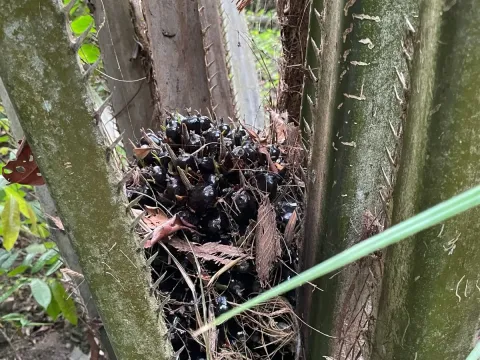
Productivity is quantified by the weight of fresh fruit bunches (FFB), which are harvested consistently throughout the year due to the lack of seasonal dormancy.
Modern breeding programs focus on the Tenera hybrid, prized for its thin shell and high oil-to-bunch ratio, maximizing the industrial output of the plantation.
Yield stability is heavily influenced by moisture availability; even short periods of severe drought can lead to flower abortion and significantly lower harvest volumes.
Regular application of organic fertilizers and correct leaf nutrient levels are fundamental to maintaining high yields over the 25-year commercial lifespan of the tree.
Basal Stem Rot (BSR), caused by the fungus Ganoderma boninense, remains the most significant threat to oil palm plantations, especially in long-term cultivation zones.
Pests such as the rhinoceros beetle pose a severe risk, as they bore into the spear of the palm, causing structural damage and hindering the development of new leaves.
Integrated Pest Management (IPM) strategies, including the use of pheromone traps and cover crops, are employed to suppress pest populations without heavy chemical reliance.
Leaf blight diseases can occur in nursery and young field stages, often exacerbated by high humidity and poor circulation within the canopy of the plantation.
Sustainable practices involve minimizing chemical inputs and promoting natural predators to create a balanced ecosystem that resists major disease outbreaks.
Harvesting is a year-round activity because oil palm fruits do not have a specific harvest season, requiring a constant workforce to manage the plantation cycles.
Fruit bunches are identified for harvest when a specific number of loose fruits detach from the bunch, signaling optimal oil content within the mesocarp.
Skilled workers use specialized hooked knives attached to long poles to cut the bunch from the palm, ensuring minimal damage to the surrounding fronds.
Immediate transportation to the mill is required to keep Free Fatty Acid (FFA) levels low, as delayed processing leads to oil degradation and loss of quality.
Once at the mill, the bunches undergo a sterilization process using pressurized steam, which stops enzymatic activity and prepares the fruit for mechanical oil extraction.